
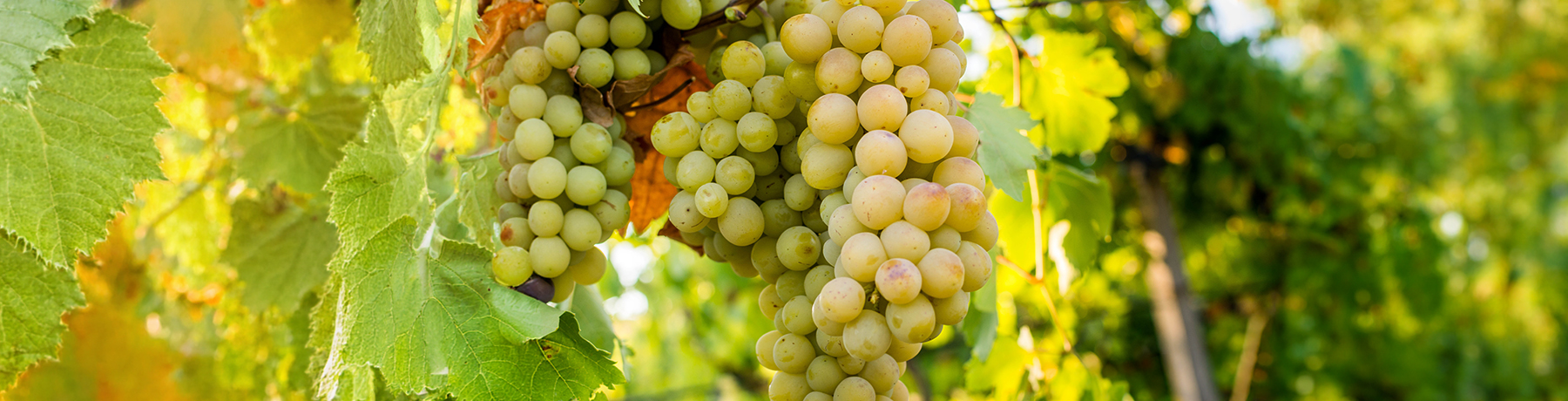
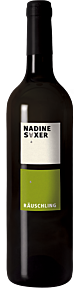
Räuschling wine – a traditional speciality from Switzerland
Räuschling wine is one of Switzerland's oldest white wines and is closely associated with the Zurich region. The grape variety has a long history and was already an integral part of regional viticulture centuries ago. Today, Räuschling is considered a speciality that is mainly cultivated around Lake Zurich, where it develops its distinctive character.
Historically, Räuschling, also known as Rüschling, Ruchelin or Rössling, was widespread in eastern Switzerland, Germany and Alsace. In Germany, the variety was cultivated in particular on the Abtsberg near Offenburg. The grape variety is an example of the great diversity of old white wine varieties that were cultivated in these regions.
The name Räuschling is derived from the vigorous foliage of the vine, which rustles loudly in the wind. This vivid description has been passed down through generations and is closely linked to the origin of the variety. Räuschling was mentioned as early as 1550 by Hieronymus Bock under the name “drutsch”, and the first written mention of the word “Reuschling” was found in 1614 in the vineyard regulations of Philipp Ernst zu Hohenlohe-Neuenstein. Räuschling has found its ideal climatic environment on Lake Zurich, and the wine is mainly produced around Lake Zurich. There are around 20 hectares of Räuschling in Switzerland, 12 of which are on Lake Zurich. In Germany, Räuschling is grown in small quantities in Baden and on the Upper Rhine. The wine has long been known in the canton of Zurich under names such as Zürirebe, Züriwiss and Räuschling Gross.
Räuschling is also known by numerous other synonyms, including zürichrebe, züriweiß, offenburger padebecker pfäffling pfaffentraube, grünspat guay jaune heinzler, klaffer klöpfer luttenberger luttenbergerstock, Luttenbergerstock, Heinzler Klaffer Klöpfer Luttenberger, Offenburg, Gros, Luttenbergerstock Luttenbershna Lyonnaise Blanche, Pfaffentraube, Jaune Heinzler Klaffer Klöpfer, Luttenbershna Lyonnaise Blanche Melon, Drötsch, Luttenbershna, Klaffer, Dünnelbling Erjava Tizhna Frankentraube, divizhna, nürnberger, erjava tizhna frankentraube gros, heinzler, luttenberger luttenbergerstock luttenbershna lyonnaise, lyonnaise blanche melon blanc, klöpfer, thunerrebe, weisser kläpfer, dünnelbling, guay jaune heinzler klaffer, klöpfer luttenberger luttenbergerstock luttenbershna, Tizhna Frankentraube Gros Fendant, Silberweiss, Brauner Nürnberger Buchelin, Divicina, Auswahl, Padebecker, Buchelin, Dretsch. The wide selection and variety of these synonyms and regional names underscores the long history and widespread distribution of Räuschling in Central Europe.
Origin, grape varieties and regional significance
The exact origin of the vine is not conclusively clear. Connections to old grape varieties such as Melon Blanc, Lyonnaise Blanche or Guay Jaune are suspected. Synonyms such as Divishna Vizhna, Erjava Tizhna and Frankentraube also appear in historical sources. In addition, there is a wide range of synonyms and regional names for Räuschling, which underlines the diversity and widespread distribution of this old grape variety. This multitude of names shows how widespread Räuschling once was.
Today, the vineyards are concentrated in a few areas, particularly Lake Zurich and neighbouring locations. The vine prefers well-ventilated sites where the foliage dries quickly. The Räuschling grape thrives particularly well on typical soils such as Nagelfluh and loam. Despite its small vineyard area, Räuschling plays an important role in preserving traditional grape varieties in Switzerland.
The selection of dedicated producers is crucial for the preservation and quality of Räuschling, as their work preserves and develops the grape variety.
Style, character and sensory properties
In the glass, Räuschling is usually light yellow with greenish reflections. The nose reveals delicate notes of lemon, green apples and subtle herbs. These are complemented by delicate floral and subtle citrus aromas reminiscent of lime or grapefruit. The fruit remains restrained, with clear acidity coming to the fore. On the palate, the wine is lean, precise and mineral, with a touch of freshness and elegance that makes it special.
Typical for Räuschling is its moderate alcohol content, which makes the wine light and lively. A fine natural carbonation can further enhance the impression of freshness. Räuschling wine is typically drunk young, but also has some ageing potential and gains complexity over time. This structure gives the wine good ageing potential and makes it interesting even after years.
Räuschling wine and food combinations
Räuschling is ideal as an aperitif, especially with savoury snacks or bread. Its acidity harmonises very well with fish dishes, especially perch or whitefish from the lake. The wine also goes well with seafood, asparagus or light starters.
Räuschling brings freshness and balance to classic Swiss dishes such as fondue. It also accompanies cheese dishes, raclette or vegetarian dishes with herbs and vegetables. Its restraint means that it always remains in the background and does not impose itself.
Frequently asked questions (FAQ) about Räuschling wine
What is a Räuschling?
Räuschling is an old white grape variety from Switzerland, which is mainly grown around Lake Zurich and is known for its fresh, acidic wines.
What is Räuschling?
Räuschling refers to both the grape variety and the wine made from it. It is considered a regional speciality with a long tradition.
What is Rotling wine?
Rotling is a wine made from red and white grapes that are pressed together. Räuschling, on the other hand, is a single-varietal white wine.
Is Räuschling a wine for ageing?
Yes, thanks to its acidity and structure, Räuschling ages well and gains depth over the years.