
-
 Score 18-10%
Fendant Grand Stockalper
AOC Valais
Cave de l'Hospice de Salquenen Switzerland White wine75cl
• 2024
CHF 15.80 CHF 17.50 -
 Score
20
Score
20
Cuvée Madame Rosmarie Mathier blanc
AOC Valais
Adrian & Diego Mathier Switzerland White wine75cl
• 2025
More bottle sizes and vintages available
Starting at CHF 14.80 -
 Score
20
Score
20
Cuvée Madame Rosmarie Mathier rouge
AOC Valais
Adrian & Diego Mathier Switzerland Red wine75cl
• 2024
More bottle sizes and vintages available
Starting at CHF 14.80 -
 Score
18
Score
18
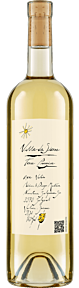
Ville de Sierre Terre Promise
AOC Valais
Adrian & Diego Mathier Switzerland White wine75cl
• 2025
More bottle sizes available
Starting at CHF 9.00 -
 Score
18
Score
18
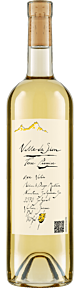
Ville de Sion Terre Promise
AOC Valais
Adrian & Diego Mathier Switzerland White wine75cl
• 2025
CHF 16.80 -
 Score
19
Score
19
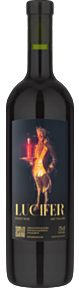
Pinot Noir Lucifer
AOC Valais
Adrian & Diego Mathier Switzerland Red wine75cl
• 2025
More bottle sizes and vintages available
Starting at CHF 9.80 -
 Score 19-10%
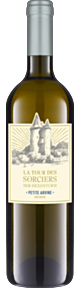
Petite Arvine Tour des Sorciers
AOC Valais
Cave de l'Hospice de Salquenen Switzerland White wine75cl
• 2025
CHF 26.00 CHF 28.90 -
 Score
18
Score
18
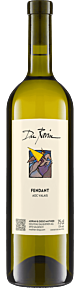
Fendant du Ravin
AOC Valais
Adrian & Diego Mathier Switzerland White wine75cl
• 2025
CHF 15.50 -
 Score
19
Score
19
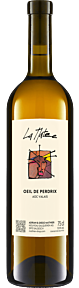
Oeil-de-Perdrix La Matze
AOC Valais
Adrian & Diego Mathier Switzerland Rosé wine75cl
• 2025
More bottle sizes available
Starting at CHF 9.50 -
 Score
20
Score
20
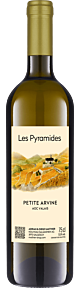
Petite Arvine Les Pyramides
AOC Valais
Adrian & Diego Mathier Switzerland White wine75cl
• 2025
CHF 26.00 -
 Score
18
Score
18
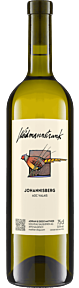
Johannisberg Weidmannstrunk
AOC Valais
Adrian & Diego Mathier Switzerland White wine75cl
• 2025
CHF 18.50 -
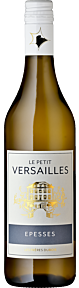 -6%
-6%Epesses Blanc « Les Caves du Petit Versailles »
AOC Lavaux
Les Frères Dubois Switzerland White wine70cl
• 2025
CHF 15.00 CHF 16.00 -
 Score
18
Score
18
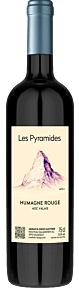
Humagne Rouge Les Pyramides
AOC Valais
Adrian & Diego Mathier Switzerland Red wine75cl
• 2025
CHF 26.00 -
 Score
18
Score
18
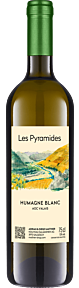
Humagne Blanc Les Pyramides
AOC Valais
Adrian & Diego Mathier Switzerland White wine75cl
• 2025
CHF 26.00 -
 Score
18
Score
18
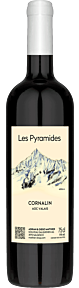
Cornalin Les Pyramides
AOC Valais
Adrian & Diego Mathier Switzerland Red wine75cl
• 2025
CHF 26.00 -
 Score
19
Score
19
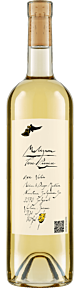
Molignon Terre Promise
AOC Valais
Adrian & Diego Mathier Switzerland White wine75cl
• 2025
More bottle sizes and vintages available
Starting at CHF 9.00 -
 -7%
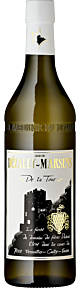
-7%Dézaley-Marsens de la Tour
AOC Lavaux
Les Frères Dubois Switzerland White wine35cl
• 2024
More bottle sizes and vintages available
Starting at CHF 13.90 Starting at CHF 15.00 -
 Score
18
Score
18
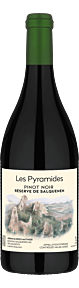
Pinot Noir Réserve de Salquenen
AOC Valais
Adrian & Diego Mathier Switzerland Red wine75cl
• 2023
CHF 26.00 -
 Score
18
Score
18
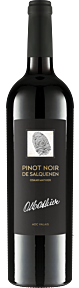
Pinot Noir de Salquenen Non Filtré Oskar Mathier
AOC Valais
Adrian & Diego Mathier Switzerland Red wine75cl
• 2024
CHF 23.00 -
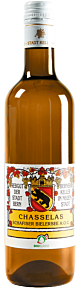
Schafiser Chasselas Bio
AOC Bielersee
Rebgut der Stadt Bern Switzerland White wine75cl
• 2024
CHF 14.90 -
 Score
18
Score
18
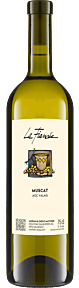
Muscat La Fiancée
AOC Valais
Adrian & Diego Mathier Switzerland White wine75cl
• 2025
CHF 20.00 -
 -10%
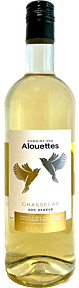
-10%Domaines des Alouettes Chasselas de Satigny
AOC Genève
Jean-Daniel and Florian Ramu Switzerland White wine75cl
• 2025
CHF 9.90 CHF 11.00 -
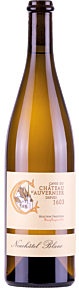
Neuchâtel Blanc Sélection Tradition
AOC Neuchâtel
Château d'Auvernier Switzerland White wine75cl
• 2025
CHF 14.30 -
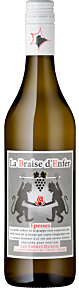 Score 18-7%
Epesses La Braise d'Enfer
AOC Lavaux
Les Frères Dubois Switzerland White wine35cl
• 2025
More bottle sizes and vintages available
Starting at CHF 10.20 Starting at CHF 11.00 -
 Score
18
Score
18
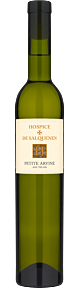
Petite Arvine Hospices de Salquenen
AOC Valais
Adrian & Diego Mathier Switzerland White wine50cl
• 2025
CHF 17.00
Wines to accompany raclette: style, origin and safe wine recommendations for a cosy table
Wine to accompany raclette: why origin, acidity and texture matter
Wines to accompany raclette are a question of balance. Raclette cheese is creamy, rich in fat and develops spicy aromas when heated, which call for a wine with clear acidity, delicate notes and a light texture. There are no hard and fast rules when it comes to choosing wine for raclette – ultimately, anything that tastes good and brings joy is allowed.
The right wine enhances the creaminess, brings out the flavour and provides contrast without overpowering the cheese. A clean, dry white wine with medium acidity is therefore often the first choice – you can't go wrong with your own selection.
The region is just as important: a raclette from Valais naturally goes well with a Valais wine. Choosing the right grape variety plays a major role, as it influences how well the wine goes with the food and how varied the selection is. The popularity of regional wines, especially those from the canton of Valais, underlines the authenticity and traditional value of the raclette experience. This combination of cuisine, region and grape varieties has been tried and tested for generations and ultimately results in a harmonious raclette meal with family and friends. The optimal combination is achieved when the wine goes well with raclette and personal preferences are taken into account.
Ultimately, there is no right or wrong when it comes to choosing wine – the decisive factor is what you personally like.
Wine: typical styles from Valais and France
Switzerland is home to great white wines to accompany raclette. A classic Fendant, i.e. Chasselas from Valais, offers light freshness, delicate aromas of citrus and herbs, and a subtle effervescence that cleanses the palate. Even the first glance into the glass reveals a lot about the quality and character of the wine – visual perception plays an important role in enjoyment.
Petite Arvine from the same region also displays mineral precision and salty notes that go perfectly with melted raclette cheese. Those who prefer a more aromatic wine should opt for Heida, which offers a little more body and structure. The subtle nuances of these wines enrich the taste experience and ensure a harmonious pairing.
France completes the picture with white wines that are vinified in a similarly clear and dry style. Sauvignon varieties from the Loire region can enliven a raclette meal thanks to their crisp acidity and herbal notes. The Jura region also offers wines whose texture and freshness complement the creaminess of the cheese. A mineral, fresh Chardonnay is also an excellent choice, as its acidity and elegance balance the fattiness of the cheese and offer a luxurious mouthfeel.
If you are looking for a fruity and unconventional accompaniment, you can also opt for a rosé, which goes particularly well with intense raclette cheeses thanks to its freshness and drinkability.
In addition to white wines, red wines from Burgundy, such as Côtes-de-Nuits or Beaune, are also an elegant alternative. Their fine structure and subtle nuances harmonise perfectly with the creamy cheese. Similarly, Côtes du Rhône wines, with their aromatic diversity and richness, are an ideal complement to the rich flavours of raclette.
The origin of the wines plays a decisive role: a winery from the Valais or the French regions mentioned above guarantees authenticity and quality that perfectly round off the raclette experience.
Pairing tips: simple rules for wines with raclette
The best pairing tips are surprisingly simple. Firstly: acidity beats fat. A wine with fresh acidity creates contrast, takes the heaviness out of the cheese and keeps the dish lively. However, caution is advised: when selecting wine and ingredients, care should be taken to ensure a harmonious balance so as not to impair the taste experience.
Secondly: pay attention to tannins. High tannins from strong red wine can clash with the proteins in cheese and create a bitter impression. If you choose red wine, it should be soft, fruity and low in tannins. When it comes to pairing wine with raclette, there are almost no limits to your creativity – try different wines with different cheese dishes such as raclette or fondue to discover your favourites.
Thirdly: preparation and side dishes matter. Potatoes, gherkins, pearl onions, crusty bread or a hint of garlic in the pan sauce will influence your choice of wine. The spicier the food, the more character the wine can have. These tips work with a wide variety of cheese dishes and add variety to your table. Especially when enjoyed in the company of family or friends, raclette becomes a culinary experience.
Wine and food: specific combinations for everyday life
A dry Fendant from Valais is the obvious starting point. Its light acidity and delicate creaminess complement the raclette cheese, the aromas remain clear and the texture of the wine stands up to the fat. The Fendant has a pleasant freshness on the finish, which harmoniously rounds off the taste experience.
Chasselas from other regions of Switzerland works in a similar way. As a Swiss white wine, it scores with its restraint and fine minerality, which clears the palate for the next bite. The subtle nuances of Chasselas wines in particular enrich the interplay with raclette.
Those looking for a little more expression will find a characterful partner in Petite Arvine: citrus, salt and a firm acidity line form a precise contrast to the creamy mass in the pan. The selection of wines offers the right accompaniment for every taste – so everyone can find the right pairing for their raclette experience.
Heida brings alpine power to the combination. It goes well with spicier raclette cheese, or when mountain cheese and other types of cheese are also melted at the table. For wine lovers who like to try new combinations, this opens up an exciting range of possibilities.
Valais wines with a name: Adrian & Diego Mathier Nouveau Salquenen
In Valais, the wines of Adrian & Diego Mathier Nouveau Salquenen are exemplary for their combination of origin, precision and drinkability. With its wines, this traditional winery in the canton of Valais underlines the importance of regional specialities and emphasises the significance of Valais as a place of origin for the quality of its wines. The wines display clear lines, clean fruit and the freshness required for raclette.
Whether a straightforward Fendant as a white base, a more precise interpretation with a little more minerality or an Alpine grape variety such as Petite Arvine: the signature remains elegant.
Such wines go well with classic side dishes such as potatoes, mild dishes with little garlic, and also with variations in which bacon cubes, mushrooms or herbs provide additional flavours at the table.
France at the table: Loire, Savoie and Jura as fine alternatives
France produces white wines that have proven themselves in the context of raclette. A Sauvignon from the Loire offers lemon zest, green herbs and plenty of freshness. These notes give the cheese room to breathe and enliven the interplay with potatoes and spicy dishes.
After the Loire, red wines from Burgundy, such as Côtes-de-Nuits or Beaune, are elegant and fine alternatives. Their structure and subtle nuances harmonise perfectly with raclette cheese and accompany both classic and sophisticated dishes. Aromatic and full-bodied wines from the Côtes du Rhône region are also an excellent choice to balance the rich flavours of the cheese and enrich the taste experience.
Savoie produces light white wines with an alpine signature, reminiscent of their Swiss counterparts in character. They are a good choice if you want the wine to be as pure, fresh and clear as possible. French white wines such as Chardonnay also impress with mineral notes, freshness and a pleasant acidity that balance the fattiness of the cheese and offer a luxurious mouthfeel.
A fruity, easy-drinking rosé is also an unconventional and exciting choice to accompany raclette, especially if you want to expand your taste experience. The Jura region also produces white wines that harmonise with raclette cheese thanks to their dry, straightforward style. Here, the desired character is the deciding factor: citrusy and cool, or slightly nutty with subtle spice.
Fresh, mineral wines go well with fish such as salmon or zander, while stronger red wines from Burgundy or Côtes du Rhône are ideal with meat such as steak, lamb fillet or sausage. The subtle nuances of French wines enrich the interplay with the various ingredients. The variety of dishes – whether classic, with fish, meat or vegetarian – has a significant influence on the choice of the right wine and underlines the harmony between food and drink.
Red wine and raclette: does it work?
Red wine can work if you pay attention to tannins. Tannin-rich red wines with distinctive tannins contrast with the protein and fat in raclette cheese and can produce harsh notes.
An elegant option is Pinot Noir, which goes particularly well with raclette thanks to its fine structure and fruitiness. Red wines from Burgundy or Côtes du Rhône are also suitable, enriching the taste experience with their aromatic diversity and balanced character. However, a light, fruity red wine with low tannins, moderate alcohol and cool notes can be a charming alternative, especially if sausage, bacon or hearty dishes are served alongside the raclette. Such a red wine goes particularly well with raclette served with meat such as steak, lamb fillet or sausage, emphasising the combination of cheese and meat. The subtle nuances and pleasant finish of these wines ensure a well-rounded taste experience.
The key is the texture: soft, juicy, not over-extracted and without dominant wood notes. This way, the wine remains a partner and not an adversary. For wine lovers who enjoy discovering new combinations, these red wines offer exciting moments of pleasure with raclette.
Raclette, fondue and Alpine cuisine: related but not identical pairings
Raclette and fondue share a love of cheese, but differ in consistency and seasoning. In addition to raclette and fondue, there are many other delicious cheese dishes that pair well with wine. With fondue, the sauce is more homogeneous and often more aromatic due to the addition of wine, garlic and spices.
When choosing wine to accompany raclette and fondue, there are almost no limits – ultimately, anything that suits your taste is fine, and it's worth trying unusual combinations. The wines for raclette can therefore be slightly lighter than the wines for fondue. Nevertheless, the pairing tips remain similar: clear acidity, restrained alcohol, no excessive wood, although there are almost unlimited possibilities when combining wine and food.
Wine lovers appreciate discovering new grape varieties and exciting combinations on such occasions. Those who like variety can use the same wine as long as the fondue is not too strongly seasoned. A classic Chasselas is the all-rounder of Swiss cuisine here. Raclette or fondue evenings are a special treat, especially when enjoyed in the company of family or friends.
Cheeses, side dishes and fine-tuning in the glass
Not all raclette cheeses are the same. Milder cheeses require subtle wines, while spicier varieties can handle a little more character.
A Petite Arvine or a mineral white wine from Valais is the perfect accompaniment to more intense mountain cheeses. The choice of wines should also be tailored to the various side dishes in order to optimise the taste experience. Potatoes add substance to the dish, while cucumbers and onions provide acidity and bite.
A variety of vegetables as a side dish also influences the choice of wine, as fresh or roasted vegetables can bring out different nuances in the wine. For raclette with fish, such as salmon or pike-perch, elegant, fresh white wines are recommended, while stronger red wines go well with meat such as steak, lamb fillet or sausage. This allows for wines with more body without upsetting the combination. If you include garlic in your dishes, you should look for a wine with a cool freshness so that it doesn't become too heavy.
The best wine recommendations are those that work at your own table. It's a good idea to do a little tasting before the feast: two or three white wines side by side will quickly show which combination has the desired character. Connoisseurs who like to try different sides and combinations often discover new favourites in the process. It is particularly exciting to pay attention to the subtle nuances and finish of the wines, as these round off the taste experience depending on the combination with cheese, vegetables, fish or meat.
Grape varieties at a glance: Fendant, Chasselas, Petite Arvine, Heida and Riesling
Fendant, also known as Chasselas from Valais, remains the archetypal wine to accompany raclette. Choosing the right grape variety is crucial for the optimal taste experience with raclette. It is dry, light, with mild acidity and subtle aromas. The fine nuances and elegant finish of this wine harmonise particularly well with the creamy cheese.
Chasselas from other cantons or regions of Switzerland follows the same principle. The selection of different cantons and their traditions influences the character of the wine and ensures exciting differences in taste. The differences lie in the region and the vinification, which ultimately cause slight variations in taste.
Petite Arvine complements with citrus, salt and a more pronounced acidity – ideal when raclette cheese is stronger or when dishes with herbs, mushrooms and spicy sauces set the tone. Here, too, there are interesting nuances in the finish that round off the pairing.
Heida brings body and alpine spice. Those looking for more structure in the glass will find a reliable partner here. For wine lovers who like to try different grape varieties and styles, these wines offer an exciting variety.
Riesling, dry, can be an interesting alternative: high acidity, clear fruit, firm finish. It is important that the wine remains dry so that no sweet impression collides with the fat. The right choice of wines is crucial for the perfect taste experience with raclette.
Tips for temperature, serving and timing
White wine for raclette should be served cool, but not ice cold. 9 to 11 degrees keeps the acidity present without hiding the aromas. At first glance, the wine in the glass should impress with its colour and clarity and whet the appetite for enjoyment.
A medium-sized universal glass is ideal. It concentrates the notes and allows the wine to breathe without excessive contact with the air. When serving and tasting, be sure to choose the right side to optimise the taste experience. Care should be taken when tempering and serving so that the wine does not become too warm or too cold.
At the table, the rule is: first taste the wine, then the pan, then the wine again. This allows you to sense whether the acidity, texture and aromas come together. This simple method replaces many theoretical debates and turns tips into concrete recommendations. In a convivial gathering with friends or family, tasting together becomes a special experience. For wine lovers, raclette offers the perfect opportunity to try out new combinations and indulge their own desire to experiment. Ultimately, anything that tastes good is allowed – feel free to try unusual wines with your raclette!
Frequently asked questions (FAQ) about wines to accompany raclette
What kind of wine should you drink with raclette?
A dry, fresh white wine with clear acidity and moderate alcohol content is best. Fendant or Chasselas from Valais is the classic choice, but Petite Arvine or Heida also work very well.
What do people drink with raclette in Switzerland?
Valais white wines dominate in Switzerland. Fendant is the most popular, followed by Petite Arvine and Heida. They go well with the cuisine, the region and, of course, raclette cheese.
What goes best with raclette?
Wines with freshness, low tannins and a texture that absorbs fat. Fendant, Chasselas and Alpine white wines form the basis. With spicy side dishes, the wine can show a little more character, for example Petite Arvine.
Which alcohol goes well with raclette?
Wines with moderate alcohol content go well with raclette. Too much alcohol is heavy alongside the cheese. Dry white wines from Switzerland or France are the first choice; mild red wines only if the tannins and wood are very restrained.
This guide combines region, grape varieties and practical pairing tips into an enjoyable whole. This makes wine and raclette a convincing combination at the table – whether in a small group or at a large raclette meal with friends and family.