

-
 Score
20
Score
20
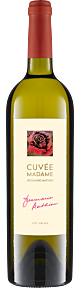
Cuvée Madame Rosmarie Mathier blanc
AOC Valais
Adrian & Diego Mathier Switzerland White wine75cl
• 2025
More bottle sizes and vintages available
Starting at CHF 14.80 -
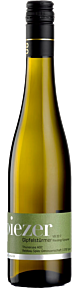
Spiezer Gipfelstürmer
AOC Thunersee
Rebbau Spiez Genossenschaft Switzerland White wine50cl
• 2023
CHF 22.00 -
 Score
18
Score
18
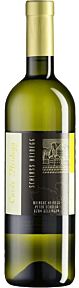
Cuvée Heidegg Schloss Heidegg
AOC Lucerne
Weingut Heidegg Switzerland White wine70cl
• 2024
CHF 22.50 -
 -9%
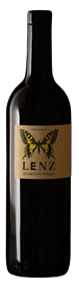
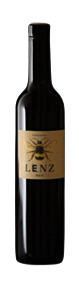
-9%Quarteto Bio
VdP Suisse
Bioweingut Lenz Switzerland White wine75cl
• 2025
CHF 16.90 CHF 18.50 -
Cuvée M & M weiss Bio
VdP Suisse
Bioweingut Lenz Switzerland White wine50cl
• 2025
CHF 9.50 -
 Score
18
Score
18
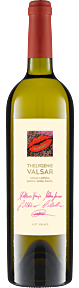
Thelygenie VALSAR blanc
AOC Valais
Adrian & Diego Mathier Switzerland White wine75cl
• 2024
CHF 26.00 -
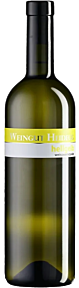
Cuvée hellgelb
VdP Suisse
Weingut Heidegg Switzerland White wine70cl
• 2025
CHF 19.50 -
 -6%
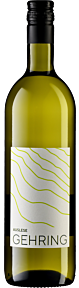
-6%Cuvée Auslese
AOC Zurich
Gehring Winery Switzerland White wine75cl
• 2020
CHF 15.00 CHF 16.00 -
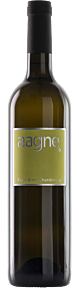
Pinot Blanc Chardonnay
AOC Schaffhausen
Aagne Familie Gysel Switzerland White wine75cl
• 2025
CHF 19.50 -
 Score
18
Score
18
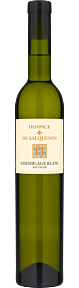
Hospices de Salquenen Assemblage blanc
AOC Valais
Adrian & Diego Mathier Switzerland White wine50cl
• 2024
CHF 15.50 -
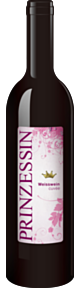
Cuvée Prinzessin
VdP Suisse
Weinbau Kaiserspan Switzerland White wine70cl
• 2024
CHF 20.00 -
 Score
18
Score
18
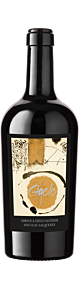
Gigolo blanc
AOC Valais
Adrian & Diego Mathier Switzerland White wine75cl
CHF 25.00 -
 -15%
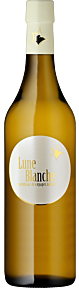
-15%Lune Blanche Assemblage de Cépages Nobles
AOC Vaud
Les Frères Dubois Switzerland White wine70cl
• 2022
CHF 17.00 CHF 20.00 -
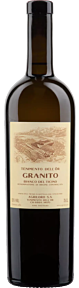
Granito Ticinese
DOC
Agriloro Tenimento dell'Ör Switzerland White wine75cl
• 2023
CHF 36.00 -
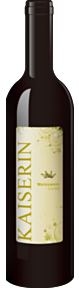
Cuvée Kaiserin
AOC Lucerne
Weinbau Kaiserspan Switzerland White wine70cl
• 2024
CHF 21.00 -
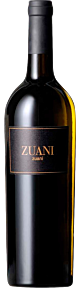
Zuani Riserva Collio bianco
DOC
Zuani Italy White wine75cl
• 2015
CHF 37.40 -
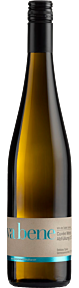
Cuvée "va bene" weiss
VdT Suisse
Rebbau Spiez Genossenschaft Switzerland White wine75cl
More bottle sizes available
Starting at CHF 12.00 -
 Score
20
Score
20
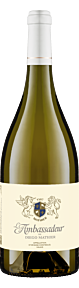
Ambassadeur de Diego Mathier blanc
AOC Valais
Adrian & Diego Mathier Switzerland White wine75cl
• 2023
CHF 45.00 -
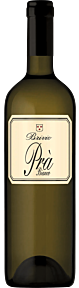
Prà Bianco del Ticino
DOC
Brivio Switzerland White wine75cl
• 2024
CHF 15.00 -
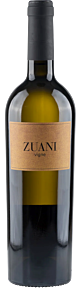
Zuani Vigne Collio bianco
DOC
Zuani Italy White wine75cl
• 2021
CHF 23.50 -
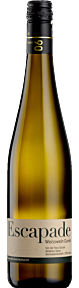
Cuvée Escapade
VdP Suisse
Rebbau Spiez Genossenschaft Switzerland White wine75cl
• 2024
CHF 20.00 -
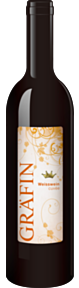
Cuvée Gräfin
VdP Suisse
Weinbau Kaiserspan Switzerland White wine70cl
• 2023
CHF 20.00 -
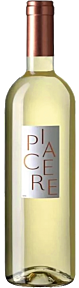 -10%
-10%Piacere blanc
VdP Suisse
Cave de Jolimont Switzerland White wine75cl
• 2024
CHF 11.90 CHF 13.20 -
 Score
19
Score
19
Optimo blanc
AOC Valais
Adrian & Diego Mathier Switzerland White wine75cl
• 2024
CHF 30.00
Cuvée white wine – orientation, diversity and reliable enjoyment
Cuvée white wine appeals to wine lovers who value balance, style and diversity. Unlike single-varietal white wine, the focus here is not on a single grape variety, but on the harmonious interplay of several wines. This targeted blending makes it possible to combine different characteristics and create a white wine that is harmonious and offers a high degree of drinking pleasure.
France is considered the country of origin of the cuvée tradition, with French wine regions in particular being known for their high-quality and traditional cuvées.
Cuvée offers guidance, especially when there is a large selection of white wines from different countries and wine regions. In German and Swiss wine regions, special regulations and regional characteristics apply, resulting in unique specialities that enrich the diversity of cuvée white wines. The reasons for producing cuvée white wine are primarily to improve quality, compensate for vintage differences and achieve a consistent flavour profile. The country where the grapes come from has a big impact on the character of the cuvée white wine because of its climate, soil, and traditions. It stands for a well-thought-out blend that combines experience, sensory sensitivity, and clear quality goals. For many consumers, cuvée white wine is a reliable choice when harmony and enjoyment are the main focus.
Cuvée as a term with a clear meaning for the purchase decision
The term cuvée comes from French and originally referred to the contents of a cuve, or vat. Today, it describes a deliberately assembled blend of several wines. The word ‘cuvée’ has different meanings internationally and is also referred to as ‘coupage’ in other countries. In the context of modern wines, cuvée does not stand for arbitrariness, but for precision and goal orientation.
For the purchasing decision, this means that a cuvée is not produced by chance. The cellar master defines in advance what character the white wine should have and selects the base wines accordingly. Acidity, alcohol content, residual sweetness and aromas are combined in such a way that a harmonious overall picture emerges. ‘Coupage’ is another word for targeted blending, especially in an international context. This clarity makes cuvée white wine particularly attractive for those who appreciate quality without wanting to commit to a single grape variety.
Grape varieties, grapes and locations specifically combined
Carefully selected grape varieties form the basis of every cuvée. Depending on the style, fresh, lively varieties are used as well as those that provide richness and structure. The grapes often come from different vineyards and locations, whose soils and climatic conditions shape the character of the wines.
Blending allows these differences to be exploited in a targeted manner. One grape variety brings freshness, another aromatic depth, and a third provides volume on the palate. The right amount of each wine is crucial for the final result, as the blending ratio significantly determines the quality and character of the cuvée. In technical jargon, the term “blend” is often used as a synonym for such a mixture or the blending of different grape varieties. For consumers, this means a white wine that is well-balanced and offers consistent quality – regardless of vintage or region.
Ageing and blending as a promise of quality
After the harvest, the crucial part begins in the cellar. The grapes are processed, the mash is carefully handled and the must is poured into suitable fermentation tanks. Whether steel tanks, large vats or barriques – the ageing process has a significant influence on the later character of the white wine. The space used for maturation and storage in the cellar or in the respective container is crucial for the development of the wine.
Individual wines are often matured separately at first. In several preliminary tastings, the cellar master decides which wines will be blended to create a cuvée with a harmonious taste, colour and aroma. This is not only about aromas, but also about texture, fullness and balance. Only when these factors harmonise is the final cuvée determined. Bottling or filling other containers is the final step and is crucial for the quality and shelf life of the wine.
Sensory properties that inspire confidence: nose, palate and style
A cuvée white wine usually appears clear and accessible in the glass. The colour ranges from light yellow to golden hues. The nose reveals aromas of fruits such as apple, pear or citrus, complemented by floral or mineral notes. This complexity is a key feature of the blend.
On the palate, a successful cuvée impresses with its balance. Acidity provides freshness, residual sweetness for a rounded impression, while alcohol and fullness lend structure. The wine is neither sharp nor heavy, but harmonious. It is precisely these characteristics that make cuvée white wine a safe choice for a wide variety of occasions.
Cuvée white wine as a versatile accompaniment to food
A key advantage of cuvée white wine is its versatility. Its balanced structure means it can be easily paired with a wide variety of dishes. Fresh blends with clear acidity go well with light starters such as fish, seafood or salads with citrus notes.
Cuvées with more body and moderate alcohol content are suitable for main courses with poultry, veal or creamy pasta dishes. Asian cuisine with its subtle spiciness also benefits from a discreetly integrated residual sweetness. Even with vegetarian dishes with oven-roasted vegetables or mild to mature cheeses, Cuvée white wine shows its strength as an uncomplicated wine for enjoyment.
Rotling, a special type of wine in which red and white grapes are fermented together and which is considered a speciality in some German and Swiss wine regions, offers similar versatility. Rotling also goes well with a variety of dishes.
Differentiation from single-varietal white wine and sparkling wine
Compared to single-varietal white wine, cuvée offers more flexibility. While single-varietal wines often have very specific characteristics, the aim of blending is to achieve balance and drinkability. This makes cuvée white wine particularly interesting for consumers who appreciate variety but still expect a clear style.
Cuvée white wine differs from sparkling wine in both its production and enjoyment. Although sparkling wine is also often produced as a cuvée, the focus there is on other factors. Still white wine is all about structure, harmony and sensory depth.
Frequently asked questions (FAQ) about cuvée white wine
What is a cuvée white wine?
A cuvée white wine is a white wine that is produced from a specific blend of several wines or grape varieties. The blend serves to combine different characteristics and create a harmonious overall picture.
Is a cuvée a good wine?
A cuvée can be of very high quality. The decisive factors are the quality of the base wines, the experience of the cellar master and the aim of the blend. Many cuvées stand for consistent quality and balanced enjoyment.
What does ‘cuvée’ mean on a wine bottle?
The term cuvée on the label indicates that the wine consists of several components. It describes a deliberately composed blend that is designed for harmony and style.
How do you drink a cuvée?
Cuvée white wine is served well chilled. Depending on its character, it is suitable as an aperitif or as a versatile accompaniment to food and unfolds its enjoyment in the right glass.