
Grenache Wine – A Multifaceted Delight from Southern Vineyards
An Overview of the Grenache Grape Variety
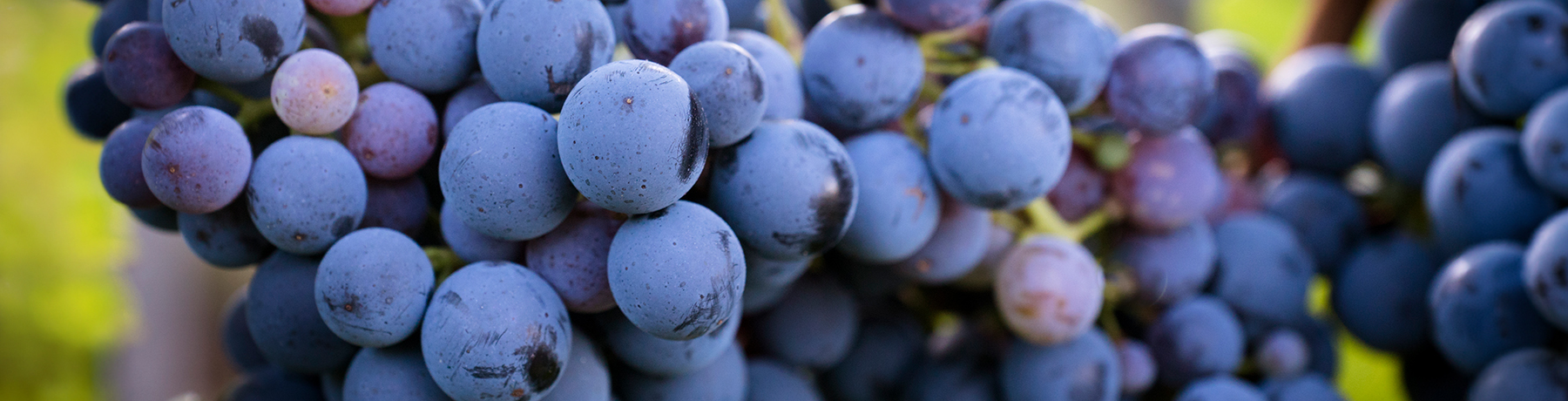
Grenache, commonly known as Garnacha in Spain, is one of the world’s most important red wine grape varieties. It is known for its versatility, its ability to thrive in warm climates, and its intense fruit profile. Whether as a single-varietal wine or in blends, Grenache impresses with its aromatics, structure, and a well-rounded palate.
Grenache Garnacha – Two Names, One Character
This grape variety goes by different names depending on its origin: In France, it is known as Grenache Noir; in Spain, as Garnacha Tinta; and in Italy, as Cannonau. These synonyms reflect the wide geographical distribution and adaptability of this grape variety. Names such as Garnatxa, Tinta Aragonesa, and Rool Grenache are also commonly used in certain regions.
Origin and Distribution of the Grenache Grape
The Grenache grape is generally believed to have originated in the Spanish region of Aragón, from where it spread to southern France and Sardinia beginning in the Middle Ages. Today, it is grown in many regions around the world—from Provence and Languedoc-Roussillon to the New World. Australia and California, in particular, have extensive vineyards planted with Grenache vines.
Typical Growing Regions
This grape variety is particularly common in southern regions with hot, dry climates. In France, it is primarily grown in Languedoc-Roussillon and Provence. In Spain, Garnacha is widespread, particularly in Rioja, Navarra, and Campo de Borja. In Châteauneuf-du-Pape, Grenache also plays a central role in the prestigious DOC red wines.
Significance in Châteauneuf-du-Pape
In the renowned Châteauneuf-du-Pape region in the southern Rhône Valley, Grenache is the primary grape variety. There, it is often blended with other varieties such as Cinsault, Syrah, Mourvèdre, or even white varieties to produce complex, deep red wines that exhibit both power and finesse.
Grenache in the New World
The grape variety has also established itself in Australia, South Africa, and California. In these warmer regions, it produces wines with strong character, intense fruit, a round body, and a hint of exoticism. Australia, in particular, is considered a specialist in Mediterranean-style Grenache-based cuvées.
DOC Red Wine and Legally Protected Designation of Origin
In many regions, Grenache is a component of DOC- or DOCG-protected wines. In addition to Châteauneuf-du-Pape, these include Côtes du Rhône, Tavel, Lirac, and Minervois in France, as well as Navarra and Campo de Borja in Spain. The DOC designation guarantees a controlled designation of origin and specific quality standards.
Characteristics and Profile of the Grape Variety
Influence of Soil and Climate
This grape variety is exceptionally sensitive to terroir. On slate soils—such as those in Priorat—it produces wines with a distinctly mineral character and a firm structure. On limestone soils, such as those in Navarra or Châteauneuf-du-Pape, a velvety texture with deep fruit flavors dominates. Warm, well-ventilated sites promote healthy ripening and a pronounced spectrum of aromas.
In the New World, sandy soils often produce very ripe, opulent wines with intense berry notes, while cooler high-altitude sites emphasize freshness and finesse.
Color Spectrum, Fruit, Structure, and Body
The color of Grenache wines ranges from light ruby red to deep garnet. Older wines tend to develop brick-red hues. On the nose, aromas of red berries, plums, herbs, dried flowers, or sweet tobacco are common. Ripe notes such as dried figs, cherries in liqueur, or balsamic hints emerge in older vintages or in oak-aged versions.
The aromas are often very approachable and intense, which is why Grenache is also popular among casual wine drinkers.
On the palate, Grenache wines exhibit a soft tannin structure, moderate acidity, and a medium to full body. Due to the high sugar levels at harvest, the variety achieves a comparatively high alcohol content. This results in full-bodied red wines characterized by their warmth and fruitiness.
Stylistic and Vintage Differences
Depending on the region, climate, soil, and vintage, Grenache wines can exhibit very different profiles. In cooler years, they often display more elegance and floral notes; in hot years, ripe fruit, high alcohol levels, and a warm texture dominate. The vintage is therefore a decisive factor when selecting a Grenache wine.
Red Wines with Exceptional Aging Potential
Despite their soft tannins, many Grenache wines have exceptional aging potential. In particular, wines aged in barriques or cuvées made from old vines with low yields develop complex aromas and a deep structure over time.
Grenache Noir and Its Varieties
Within the Grenache family, there are different varieties such as Grenache Noir, Grenache Blanc, and Grenache Gris. Grenache Noir is by far the best-known variety and dominates global cultivation. The white Grenache Blanc is often used to produce full-bodied white wines, while Grenache Gris is vinified as both still wine and rosé.
The Role of Grenache in Blends
A classic example of its use in blends is the GSM blend (Grenache, Syrah, Mourvèdre). This combination originated in southern France but is also very popular in Australia. Grenache contributes fruit and alcohol, Syrah provides color and structure, and Mourvèdre adds tannins and spice.
Rosé and White Wines Made from Grenache
Although Grenache is best known for red wines, it also produces excellent rosés. These are often salmon-colored, fresh, and fruit-forward. In some regions, such as Navarra or Provence, Garnacha is specifically vinified for rosé wines. Single-varietal white wines made from Grenache Blanc are also gaining increasing attention.
Styles of Grenache Wines
There are many different styles of Grenache wines—ranging from youthful, fruit-forward rosés to concentrated, almost powerful red wines with over 15% ABV. Sweet dessert wines such as Rivesaltes or Banyuls are also made from Grenache. These so-called Vins Doux Naturels are stopped by adding alcohol, thus retaining a natural residual sweetness.
A Grenache from the New World often has a more opulent and ripe style, while European versions stand out for their greater freshness and finesse. Aging in stainless steel tanks emphasizes the fruit, while barrel aging adds depth, spice, and aging potential.
Grenache in Blends and as a Single-Varietal Wine
While Grenache in France usually appears as a component of cuvées, it is also produced as a single-varietal wine in Spain and Australia. As a single-varietal wine, it reveals its full character: lush fruit, silky tannins, and sometimes a hint of licorice or sweet spices. Its versatility allows for both light, early-drinking wines and structured varieties with aging potential.
In blends, on the other hand, it brings balance, softness, and aromatic complexity. This makes it an indispensable partner for many winemakers—especially when paired with Syrah, Mourvèdre, Carignan, or even Cinsault.
Culinary companion: Grenache and food pairing
Grenache is a true all-rounder at the table. In its youthful, fruit-forward form, it pairs wonderfully with pizza, pasta, grilled vegetables, Mediterranean stews, or tapas. Mature, full-bodied Grenache wines are ideal with roast lamb, game, braised beef dishes, or spicy ratatouille.
Dishes featuring rosemary, thyme, or lavender harmonize particularly well with the wine’s warm, southern character. Grenache also makes an exciting pairing with Maghreb cuisine—such as couscous with lamb or harissa chicken.
Pairing with Cheese and Spicy Dishes
Cheese lovers will find Grenache to be the perfect companion for aged sheep’s milk cheese, hard cheeses with a crystalline texture, or even creamy blue cheese. When paired with salty elements like olive paste or sun-dried tomato pesto, the wine reveals its charming fruity sweetness. When paired with spicy Middle Eastern dishes or dishes featuring cumin, cinnamon, and harissa, Grenache proves surprisingly adaptable and rounds out the flavor experience.
Sweet Grenache wines, such as those from Banyuls, pair excellently with desserts featuring dark chocolate, nut cakes, or fig tarts.
Temperature, Glassware, and Storage
Grenache wines best reveal their aromas at 16 to 18 degrees Celsius. A medium-sized red wine glass with a slightly bulbous shape allows the wine room to breathe. Thanks to their structure, many Grenache wines age well, especially if they come from old vines or were aged in barriques. A DOC red wine made from Grenache can easily be cellared for five to ten years.
Grenache and the Global Wine Market
This grape variety is one of the most widely cultivated red varieties worldwide. Its high adaptability, consistent yields, and resistance to drought make it particularly appealing in the face of climate change. In countries such as France, Spain, and Italy—as well as Australia and the United States—it is playing an increasingly significant role in the wine-growing landscape.
Wine and Sustainability
Many wineries that specialize in Grenache rely on organic or biodynamic farming methods. The grape variety thrives even without intensive fertilization or artificial irrigation, which makes it particularly sustainable. Old vines on poor soils also produce characterful wines with low yields.
Significance for Traditional and Modern Wine-Growing Regions
Grenache has been firmly established for centuries in many traditional wine regions of Southern Europe. In the Languedoc-Roussillon region in particular, it plays a central role in the regional wine blend. Due to its ability to yield high harvests, it was long a staple of simple table wines. However, many winemakers are now rediscovering the potential of old vines and deliberately limiting yields in favor of quality.
In Spain, Garnacha is playing an increasingly important role in higher-quality red wines today. In Rioja, it is often blended with Tempranillo, but single-varietal wines from Navarra and Priorat are becoming increasingly popular. This grape variety displays impressive depth and expressiveness, particularly in regions with stony, well-drained soils.
Grenache: The Grape Variety of the Future
Its heat resistance, drought tolerance, and consistent yields make Grenache a grape variety with a promising future. In the face of climate change, these qualities are more in demand than ever. More and more winemakers are turning to Grenache to produce elegant and harmonious wines even in hot years.
Its adaptability, along with its broad spectrum of aromas and styles, make the variety indispensable to the international wine market. New regions such as South Africa, Chile, and Israel are also increasingly discovering the potential of this classic grape variety.
Frequently Asked Questions (FAQ) About Grenache Wine
What is Grenache wine?
Grenache wine is a typically fruit-forward, full-bodied red wine made from the Grenache grape variety, also known as Garnacha. It originates primarily from Spain, France, and Italy, but is also produced in the New World.
What does Grenache wine taste like?
Grenache wine has flavors of red berries, cherries, spices, and Mediterranean herbs. It is often smooth, with low acidity and a medium to high alcohol content.
What grape is Grenache?
Grenache is a red grape variety, known primarily as Garnacha in Spain. It is believed to have originated in Aragón.
Is Grenache the same as Shiraz?
No, Grenache and Shiraz are different grape varieties. However, they are often blended together, for example in the classic GSM blend (Grenache – Syrah – Mourvèdre).
What does Grenache taste like?
The flavor is fruity, warm, and full-bodied. Grenache offers aromas of strawberries, cherries, figs, herbs, and sometimes sweet spices.
What is Grenache wine?
Grenache wine is a red wine made from the Grenache grape. It can be produced as a single-varietal wine or as a blend and is known for its soft texture and fruitiness.
What is the difference between Pinot Noir and Grenache wine?
Pinot Noir is lighter, more acidic, and often exhibits floral and red fruit aromas. Grenache, on the other hand, is fuller-bodied, warmer in style, and offers more alcohol and ripe fruit.