
-
 Score 18-10%
Fendant Grand Stockalper
AOC Valais
Cave de l'Hospice de Salquenen Switzerland White wine75cl
• 2024
CHF 15.80 CHF 17.50 -
 Score
20
Score
20
Cuvée Madame Rosmarie Mathier blanc
AOC Valais
Adrian & Diego Mathier Switzerland White wine75cl
• 2025
More bottle sizes and vintages available
Starting at CHF 14.80 -
 Score
20
Score
20
Cuvée Madame Rosmarie Mathier rouge
AOC Valais
Adrian & Diego Mathier Switzerland Red wine75cl
• 2024
More bottle sizes and vintages available
Starting at CHF 14.80 -
 Score
18
Score
18
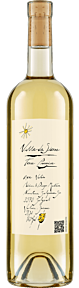
Ville de Sierre Terre Promise
AOC Valais
Adrian & Diego Mathier Switzerland White wine75cl
• 2025
More bottle sizes available
Starting at CHF 9.00 -
 Score
18
Score
18
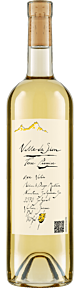
Ville de Sion Terre Promise
AOC Valais
Adrian & Diego Mathier Switzerland White wine75cl
• 2025
CHF 16.80 -
 Score
19
Score
19
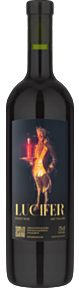
Pinot Noir Lucifer
AOC Valais
Adrian & Diego Mathier Switzerland Red wine75cl
• 2025
More bottle sizes and vintages available
Starting at CHF 9.80 -
 Score 19-10%
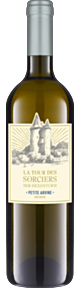
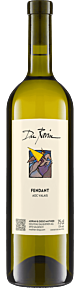
Petite Arvine Tour des Sorciers
AOC Valais
Cave de l'Hospice de Salquenen Switzerland White wine75cl
• 2025
CHF 26.00 CHF 28.90 -
 Score
18
Score
18
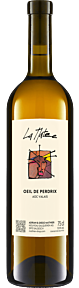
Fendant du Ravin
AOC Valais
Adrian & Diego Mathier Switzerland White wine75cl
• 2025
CHF 15.50 -
 Score
19
Score
19
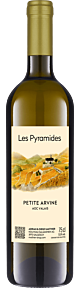
Oeil-de-Perdrix La Matze
AOC Valais
Adrian & Diego Mathier Switzerland Rosé wine75cl
• 2025
More bottle sizes available
Starting at CHF 9.50 -
 Score
20
Score
20
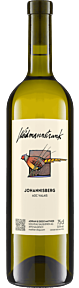
Petite Arvine Les Pyramides
AOC Valais
Adrian & Diego Mathier Switzerland White wine75cl
• 2025
CHF 26.00 -
 Score
18
Score
18
Johannisberg Weidmannstrunk
AOC Valais
Adrian & Diego Mathier Switzerland White wine75cl
• 2025
CHF 18.50 -
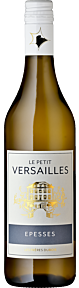 -6%
-6%Epesses Blanc « Les Caves du Petit Versailles »
AOC Lavaux
Les Frères Dubois Switzerland White wine70cl
• 2025
CHF 15.00 CHF 16.00 -
 Score
18
Score
18
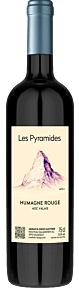
Humagne Rouge Les Pyramides
AOC Valais
Adrian & Diego Mathier Switzerland Red wine75cl
• 2025
CHF 26.00 -
 Score
18
Score
18
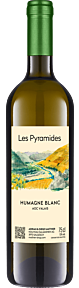
Humagne Blanc Les Pyramides
AOC Valais
Adrian & Diego Mathier Switzerland White wine75cl
• 2025
CHF 26.00 -
 Score
18
Score
18
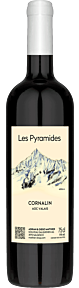
Cornalin Les Pyramides
AOC Valais
Adrian & Diego Mathier Switzerland Red wine75cl
• 2025
CHF 26.00 -
 Score
19
Score
19
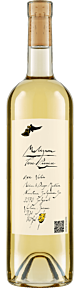
Molignon Terre Promise
AOC Valais
Adrian & Diego Mathier Switzerland White wine75cl
• 2025
More bottle sizes and vintages available
Starting at CHF 9.00 -
 -7%
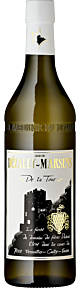
-7%Dézaley-Marsens de la Tour
AOC Lavaux
Les Frères Dubois Switzerland White wine35cl
• 2024
More bottle sizes and vintages available
Starting at CHF 13.90 Starting at CHF 15.00 -
 Score
18
Score
18
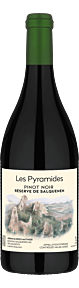
Pinot Noir Réserve de Salquenen
AOC Valais
Adrian & Diego Mathier Switzerland Red wine75cl
• 2023
CHF 26.00 -
 Score
18
Score
18
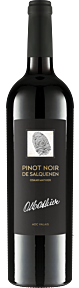
Pinot Noir de Salquenen Non Filtré Oskar Mathier
AOC Valais
Adrian & Diego Mathier Switzerland Red wine75cl
• 2024
CHF 23.00 -
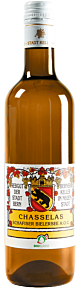
Schafiser Chasselas Bio
AOC Bielersee
Rebgut der Stadt Bern Switzerland White wine75cl
• 2024
CHF 14.90 -
 Score
18
Score
18
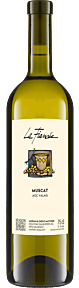
Muscat La Fiancée
AOC Valais
Adrian & Diego Mathier Switzerland White wine75cl
• 2025
CHF 20.00 -
 -10%
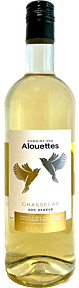
-10%Domaines des Alouettes Chasselas de Satigny
AOC Genève
Jean-Daniel and Florian Ramu Switzerland White wine75cl
• 2025
CHF 9.90 CHF 11.00 -
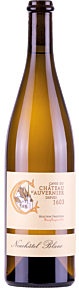
Neuchâtel Blanc Sélection Tradition
AOC Neuchâtel
Château d'Auvernier Switzerland White wine75cl
• 2025
CHF 14.30 -
 Score 18-7%
Epesses La Braise d'Enfer
AOC Lavaux
Les Frères Dubois Switzerland White wine35cl
• 2025
More bottle sizes and vintages available
Starting at CHF 10.20 Starting at CHF 11.00 -
 Score
18
Score
18
Petite Arvine Hospices de Salquenen
AOC Valais
Adrian & Diego Mathier Switzerland White wine50cl
• 2025
CHF 17.00
Wines to accompany cheese fondue: harmony of creaminess, acidity and origin
Fondue – the winter classic with character
Fondue is much more than just a dish: it is a piece of Swiss identity. On cold evenings, people gather around the table, the cheese fondue bubbles gently in the caquelon, pieces of bread are dipped in, and the conversations warm you up like the wine in your glass. This shared experience is the epitome of conviviality – a fondue evening brings together generations and regions.
Traditionally, classic cheese fondue consists of a mixture of Gruyère and Vacherin, which are slowly melted and refined with a dash of white wine. But each region has its own interpretation, sometimes stronger, sometimes milder, with garlic, kirsch or a little nutmeg. The wines that go well with cheese fondue are just as varied as the recipes.
Wine and cheese fondue – a question of acidity and balance
Cheese fondue is rich in fat and flavour. The ideal wine must therefore be light, fresh and structured. Wines to accompany cheese fondue should have a lively acidity to balance the creamy heaviness of the melted cheese, and at the same time enough body to stand up to the intensity of Gruyère and Vacherin.
The combination of fat, protein and heat makes pairing a bit of a challenge. White wine is almost always the best choice, as its freshness cleanses the palate and supports the aromatics of the fondue. Red wine can work if it is light, fruity and low in tannins – such as a Pinot Noir from cool regions.
Wines to accompany cheese fondue: classics from Valais
The Valais is home to many white wines that are excellent accompaniments to cheese fondue. The wines produced here have a clear structure, moderate acidity and fine minerality. A dry Fendant, i.e. a Chasselas, is considered the classic choice. Its delicate notes of citrus and white flowers blend harmoniously with the creamy texture of the cheese.
Petite Arvine, an indigenous grape variety from Valais, brings more excitement to the glass. Its lively acidity, a hint of salt and lemon, and its fresh finish act as a counterbalance to the strong fondue. Heida, sometimes known as Savagnin, is also an excellent choice with its density and light honey and apricot notes when the fondue is strongly seasoned or refined with garlic.
White wine as a natural partner
White wines are indispensable in fondue cuisine – not only in the caquelon, but also in the glass. A white wine with fine acidity and a dry style enhances the aromas of the cheese and brings lightness to the taste. In addition to the Valais classics Fendant, Petite Arvine and Heida, Pinot Blanc, Pinot Gris or a fresh Riesling are also suitable.
A Pinot Gris, for example from a region with a cool climate, provides smoothness and ripe fruit without being sweet. Its aromas of pear, honey and a slight barrique tone harmonise wonderfully with the nutty notes of Gruyère. A Riesling, dry and mineral, gives the dish energy and structure – especially if the mixture is a little stronger.
Fondue and wine pairing: the right balance
An important aspect of wine pairing is the balance between weight and acidity. Cheese fondues contain a lot of fat, so the wine should never be too soft or high in alcohol. Instead, fresh, lively white wines with medium body are ideal.
A good guide:
- A classic Chasselas or Fendant for traditional cheese fondues.
- A Petite Arvine if the fondue is more intensely seasoned.
- A Pinot Blanc or Pinot Gris for mild, creamy varieties.
- A Riesling or Sylvaner if acidity and freshness are to be the main focus.
These combinations work not only sensorially but also culturally – they come from the same regions where fondue originated.
Red wine with cheese fondue – allowed, but with caution
Red wine can go well with cheese fondue, provided it is light, fruity and low in tannins. Pinot Noir is the most common accompaniment here. Its soft body, delicate fruitiness and low tannin content make it a pleasant alternative for those who avoid white wine.
A Pinot Noir from Switzerland, especially from the Valais, combines alpine freshness with a hint of red fruit. A light French Pinot Noir or a Beaujolais with notes of cherry and low acidity can also work well. It is important that the red wine is neither overripe in the barrel nor too alcoholic, as otherwise bitter substances will clash with the protein in the cheese.
Cheese, aroma and texture – the basis of pairing
Cheese fondue thrives on variety. Gruyère adds spice and depth, while Vacherin provides creaminess and mildness. Some regions add Emmentaler, Appenzeller or Sbrinz to create new accents.
The stronger the cheese, the more structured the wine can be. A moitié-moitié fondue with Gruyère and Vacherin calls for a wine with balanced acidity and delicate fruitiness. A variation with Sbrinz or Appenzeller benefits from a slightly fuller white wine, such as a Chardonnay without excessive woodiness or a strong Heida.
Spices also play a role: garlic adds depth, nutmeg adds warmth, and a dash of kirsch enhances the aromas. The wine should complement these nuances without overpowering them.
Wine and food: the interplay at the table
A fondue evening thrives on rhythm and temperature. Between bites, the wine cleanses the palate and prepares it for the next spoonful. This shows how important acidity is: a wine with fresh acidity acts as a culinary reset and keeps the dish alive.
White wines from Valais or western Switzerland fulfil this role perfectly. A dry Pinot Gris or Sylvaner also provides the necessary freshness, while a delicate Riesling or Gutedel (Chasselas) adds lightness.
The wine choice remains the same for side dishes such as bread, potatoes or vegetables. Even meats – such as diced ham or dried meat – can be easily integrated if the wine has enough fruitiness to balance the salty character.
Character and style: wines from home
Fondue tastes best with a wine that reflects its homeland. Swiss white wines from Valais, Vaud or Fribourg are not only stylistically appropriate, but also part of the shared food culture.
The Chasselas, Petite Arvine, Heida and Fendant grape varieties characterise these regions. They stand for freshness, elegance and a certain minerality that is indispensable for fondue. The combination of regional specialities and local wine creates an authenticity that can be tasted in the glass.
Acidity, sweetness and fruitiness – the sensory triangle
The ideal wine accompaniment to cheese fondue is based on three components: acidity, sweetness and fruitiness.
- The acidity brings lightness and contrast to the fat.
- A subtle, natural fruit sweetness softens the spiciness of the cheese.
- Freshness and minerality provide clarity in the finish.
Petite Arvine, Riesling or Sylvaner masterfully embody this balance. A fondue prepared with kirsch or white wine benefits from the same grape varieties in the glass, as the aromas are reflected and the enjoyment is more harmonious.
Tips for the perfect fondue evening
- The wine in the fondue should be the same as the wine served in the glass – this ensures that the aromas remain consistent.
- Serve white wine slightly chilled (9–11 degrees), red wine only gently tempered (15–16 degrees).
- It is better to choose several light bottles than one heavy drop – this ensures that the evening remains carefree.
- Lightly toast the bread: the toasted aromas emphasise the nutty flavour of the cheese and harmonise with the wine.
A fondue evening is not a technical discipline, but a culinary ritual. It is not perfection that is important, but the shared experience of warmth, flavour and regional identity.
Frequently asked questions (FAQ) about wines for cheese fondue
What kind of wine goes well with cheese fondue?
A dry white wine with a fresh but not overly aggressive acidity is best. Classic choices are Chasselas, Fendant or Petite Arvine. They bring balance and elegance to the table and emphasise the flavour of the cheese.
What should you drink with a cheese fondue?
Traditionally, white wine from Switzerland is drunk, preferably from the Valais or Vaud regions. Depending on your preference, you can also choose a light red wine such as Pinot Noir. Kirsch is usually served as a digestif, not as the main accompaniment.
Which white wine goes best with cheese fondue?
Fendant from Valais is considered ideal. Petite Arvine, Heida or a Pinot Gris from cool locations are also excellent accompaniments. It is important to have a harmonious acidity and a dry, clear style.
What do Swiss people drink with cheese fondue?
In Switzerland, a glass of locally produced white wine is traditionally served. Fendant, Chasselas and Petite Arvine are particularly popular. In some regions, a light, fruity Pinot Noir also accompanies this winter classic.
This creates the perfect interplay of cheese, wine and atmosphere – a piece of Swiss culinary culture that enriches every season.