
-
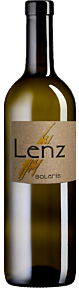 -9%
-9%Solaris Bio
Schweizer Landwein
Bioweingut Lenz Switzerland White wine75cl
• 2023
CHF 16.90 CHF 18.50 -
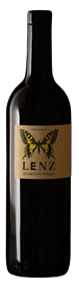 -9%
-9%Quarteto Bio
VdP Suisse
Bioweingut Lenz Switzerland White wine75cl
• 2025
CHF 16.90 CHF 18.50 -
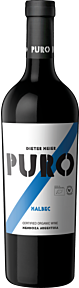 -5%
-5%PURO Malbec Bio
Wine of Origin
Dieter Meier Argentina Red wine75cl
• 2025
CHF 18.90 CHF 19.90 -
 -6%
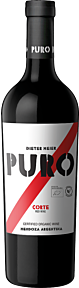
-6%PURO Corte Bio
Wine of Origin
Dieter Meier Argentina Red wine75cl
• 2021
CHF 21.50 CHF 22.90 -
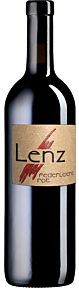
Federleicht rot Bio
VdP Suisse
Bioweingut Lenz Switzerland Red wine75cl
• 2022
CHF 18.50 -
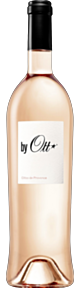
By.Ott Rosé Bio
AOC Côtes de Provence
Domaine Ott France Rosé wine75cl
• 2025
CHF 21.00 -
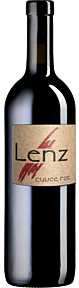
Cuvée rouge Bio
VdP Suisse
Bioweingut Lenz Switzerland Red wine50cl
• 2023
CHF 10.50 -
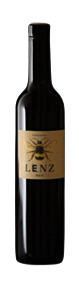
Cuvée M & M weiss Bio
VdP Suisse
Bioweingut Lenz Switzerland White wine50cl
• 2025
CHF 9.50 -
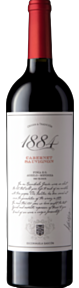
1884 Cabernet Sauvignon Estate Grown Mendoza
Wine of Origin
Escorihuela Gascon Argentina Red wine75cl
• 2021
CHF 16.50 -
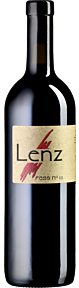
Cabernet Jura Barrel No. 111 Bio,
VdP Suisse
Bioweingut Lenz Switzerland Red wine75cl
• 2024
CHF 21.00 -
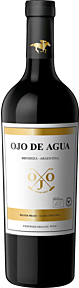 -4%
-4%Ojo de Agua Cuvée Spéciale Bio
Wine of Origin
Dieter Meier Argentina Red wine75cl
• 2021
CHF 24.90 CHF 26.00 -
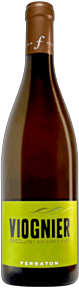
Viognier Bio
Collines Rhodaniennes IGP
Ferraton Père & Fils France White wine75cl
• 2023
CHF 16.90 -
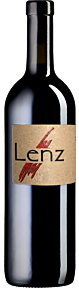
Meisterhandwerk rot Bio
VdP Suisse
Bioweingut Lenz Switzerland Red wine75cl
• 2019
CHF 42.00 -
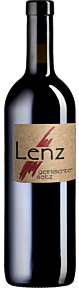
Triologie rouge
VdP Suisse
Bioweingut Lenz Switzerland Red wine75cl
• 2024
CHF 24.00 -
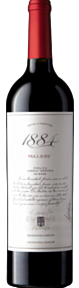
1884 Malbec Estate Grown Mendoza
Wine of Origin
Escorihuela Gascon Argentina Red wine75cl
• 2022
CHF 16.50 -
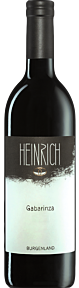
Gabarinza Bio
Qualitätswein
Weingut Heinrich Austia Red wine75cl
• 2017
CHF 46.00 -
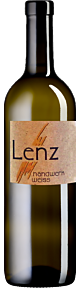 -13%
-13%Handwerk Weiss Bio
VdP Suisse
Bioweingut Lenz Switzerland White wine75cl
• 2021
CHF 21.00 CHF 24.00 -

Château La Lagune
AOC Haut Médoc
3ème Cru classé France Red wine75cl
• 2022
More vintages available
Starting at CHF 44.50 -
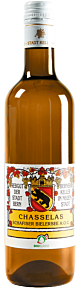
Schafiser Chasselas Bio
AOC Bielersee
Rebgut der Stadt Bern Switzerland White wine75cl
• 2024
CHF 14.90 -
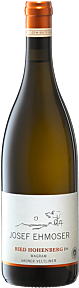
Grüner Veltliner Ried Hohenberg Bio
1ÖTW
Josef Ehmoser Austia White wine75cl
• 2022
CHF 24.00 -
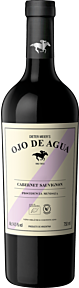 -10%
-10%Ojo de Agua Cabernet Sauvignon Bio
Wine of Origin
Dieter Meier Argentina Red wine75cl
• 2022
CHF 16.90 CHF 18.80 -
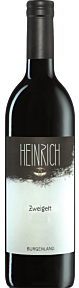
Zweigelt Bio
Qualitätswein
Weingut Heinrich Austia Red wine75cl
• 2018
CHF 16.90 -
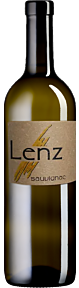 -9%
-9%Sauvignac Bio
VdP Suisse
Bioweingut Lenz Switzerland White wine75cl
• 2024
CHF 16.90 CHF 18.50 -
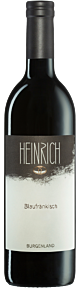
Blaufränkisch Bio
Qualitätswein
Weingut Heinrich Austia Red wine75cl
• 2017
CHF 16.90 -
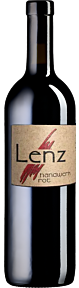
Handwerk rot Bio
Vin de pays suisse
Bioweingut Lenz Switzerland Red wine75cl
• 2023
CHF 28.00 -
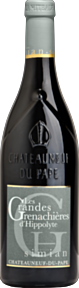
Les Grandes Grenachieres d'Hippolyte Organic
AOC Châteauneuf-du-Pape
Château Simian France Red wine75cl
• 2020
CHF 66.00 -
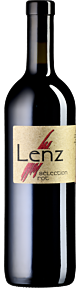
Sélection rouge Bio
VdP Suisse
Bioweingut Lenz Switzerland Red wine75cl
• 2023
CHF 22.00 -
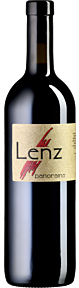
Panorama Bio
VdP Suisse
Bioweingut Lenz Switzerland Red wine75cl
• 2023
CHF 24.00 -
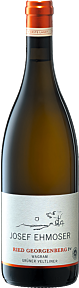
Grüner Veltliner Ried Georgenberg Bio
1ÖTW
Josef Ehmoser Austia White wine75cl
• 2021
CHF 33.50 -
 Score
18
Score
18
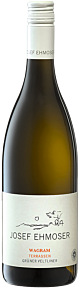
Grüner Veltliner Wagram Terrassen Bio
Gebietswein Wagram
Josef Ehmoser Austia White wine75cl
• 2023
CHF 16.00 -
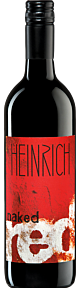
naked red Bio
Landwein
Weingut Heinrich Austia Red wine75cl
• 2018
CHF 13.50 -
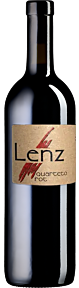
Quarteto red Bio
VdP Suisse
Bioweingut Lenz Switzerland Red wine75cl
• 2023
CHF 18.50 -
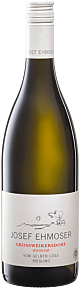 -25%
-25%Riesling Grossweikersdorf Vom gelben Löss Bio
Ortswein Wagram
Josef Ehmoser Austia White wine75cl
• 2022
CHF 16.90 CHF 22.50 -
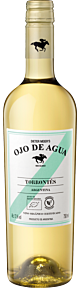
Ojo de Agua Torrontés Bio
Wine of Origin
Dieter Meier Argentina White wine75cl
• 2022
CHF 17.80 -
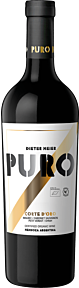 -6%
-6%PURO Corte d'Oro Bio
Wine of Origin
Dieter Meier Argentina Red wine75cl
• 2019
CHF 31.90 CHF 33.90 -
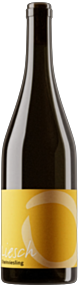
Rheinriesling Malans
AOC Graubünden
Liesch Weine Switzerland White wine75cl
• 2024
CHF 27.00 -
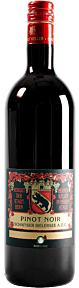
Schafiser Pinot Noir Bio
AOC Bielersee
Rebgut der Stadt Bern Switzerland Red wine75cl
• 2024
CHF 17.90 -
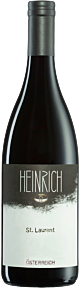
St. Laurent Bio
Qualitätswein
Weingut Heinrich Austia Red wine75cl
• 2017
CHF 21.90 -
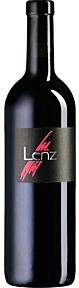
Voilà Bio
VdP Suisse
Bioweingut Lenz Switzerland Red wine75cl
• 2020
CHF 35.00 -
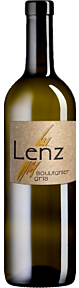 -9%
-9%Souvignier Gris Bio
VdP Suisse
Bioweingut Lenz Switzerland White wine75cl
• 2024
CHF 16.90 CHF 18.50 -
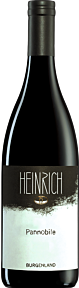
Pannobile Bio
Qualitätswein
Weingut Heinrich Austia Red wine75cl
• 2018
More bottle sizes available
Starting at CHF 34.90
Organic wines – enjoyment in harmony with nature
Introduction to the world of organic wines
Organic wines today symbolise a new generation of conscious wine enjoyment. They combine craftsmanship, respect for nature and the highest quality to create an experience that goes far beyond the glass. More and more wine lovers are discovering the appeal of these wines, which are produced in harmony with the soil, vines and environment.
Organic wines are currently a strong trend in the wine industry. The growing interest shows that more and more people are opting for this sustainable alternative.
Organic viticulture relies on natural cycles and sustainable methods. Chemical synthetic pesticides or artificial fertilisers are not used. Instead, organic winegrowers cultivate their vineyards with great care, promote biodiversity and pay attention to soil health. The result is authentic wines with unmistakable character, shaped by their origin, climate and craftsmanship.
Organic wines from Switzerland, France, Italy, Spain and Austria have long since found their place in the international wine world. They stand for quality, transparency and the pursuit of a responsible approach to nature.
Organic wines and sustainability
Sustainability is at the heart of organic viticulture – an approach that takes the entire ecosystem into account. The soil is considered the most important foundation. Natural vegetation between the vines, compost and organic fertilisation improve the soil structure, preserve moisture and strengthen biodiversity.
In organic viticulture, the number of beneficial insects and vegetation is specifically increased to promote ecological balance and control pests in a natural way. Instead of chemical pesticides, organic winegrowers rely on natural helpers: beneficial insects such as ladybirds and predatory mites keep pests at bay, while targeted maintenance work helps the vines to remain resistant. This natural form of cultivation not only strengthens the environment, but also gives the wine a special expressiveness.
As a result, the vines grow more slowly, develop deeper roots and absorb more minerals from the soil – a process that can be tasted in every drop.
Organic quality and certifications
An organic wine cannot simply call itself that. Strict guidelines regulate the entire process – from cultivation and harvesting to ageing in the cellar. In Switzerland, the Knospe label is the best-known standard, while in the EU, the green leaf logo and certificates such as Delinat, Demeter or Ecovin stand for certified organic quality.
These certifications guarantee that the grapes come from organic viticulture and that the wine is produced according to clearly defined, sustainable principles. These include avoiding chemical fertilisers, reducing sulphur in the cellar and promoting biodiversity in the vineyards.
The effort required by organic winegrowers is greater, but the reward is evident in the quality. The wines appear more lively and structured and reflect their origin particularly clearly – an unadulterated reflection of the terroir.
The organic winemaker and their philosophy
Behind every organic wine is a winemaker with a clear attitude. Organic viticulture is more than a method – it is a philosophy of life. Many organic winemakers regard their vineyards as living organisms that they nurture rather than control.
The work in the vineyard often begins with the soil. Targeted greening prevents erosion and maintains the natural balance. This promotes insects, wild herbs and microorganisms, which in turn strengthen the vines. In organic and biodynamic production, artificial aids are consistently avoided and strict ecological standards are adhered to in order to ensure the highest quality and sustainability.
Organic winemakers also take a restrained approach in the cellar. The wines are vinified with minimal intervention, often fermented spontaneously and gently filtered. The result is an unadulterated product that authentically reflects the vintage and the region.
Organic viticulture in Europe
Europe is the heart of organic viticulture. Countries such as France, Italy, Spain, Austria and Switzerland are among the pioneers in this field.
In France, there are numerous organic wineries in regions such as Languedoc, Provence and the Loire Valley. Italy impresses with organic wines from Tuscany, Sicily and Piedmont, while Spain stands out with its sun-drenched growing regions in Navarre and Andalusia.
Switzerland has a long tradition of natural viticulture with its alpine vineyards in Valais and Vaud. Many wineries here have been practising organic principles for decades, proving that sustainability and top quality go hand in hand.
Vines in harmony with nature
Organic viticulture is based on the natural rhythms of the plants. Instead of promoting monocultures, organic winegrowers focus on diversity: herbs, flowers and grasses between the vines create a habitat for insects and improve the microclimate in the vineyard.
The vines themselves also benefit from this natural environment. They root deeper, develop more stable structures and produce grapes that are concentrated and aromatic. The resulting organic wines are characterised by depth, freshness and a clear signature.
Working with nature requires patience and sensitivity. Every weather condition, every soil, every plant reacts differently – but it is precisely these differences that make organic wines so unique.
The production of organic wine
The production of organic wine is a fascinating process based on sustainability and harmony with nature. Organic viticulture focuses on treating the soil, vines and environment with respect. Chemical and synthetic pesticides and fertilisers are taboo – instead, organic winegrowers rely on natural alternatives to ensure the health of the plants and the quality of the grapes.
A key example of this philosophy is the greening of the vine rows: carefully selected plants grow between the vines, loosening the soil, preventing erosion and creating valuable habitats for insects. This diversity promotes biodiversity in the vineyard and ensures that beneficial insects such as ladybirds and wild bees keep pests at bay in a natural way. Compost and organic fertilisers further strengthen the soil structure and provide the vines with important nutrients.
Producing organic wine requires a great deal of patience, attention and craftsmanship. Every step – from tending the vines to careful harvesting and gentle processing of the grapes – is designed to protect the environment and maximise the quality of the wine. The goal of all organic winemakers is to produce wines that not only taste good, but also contribute to the preservation of biodiversity and the promotion of sustainable agriculture. The result is organic wines that are literally in harmony with nature.
The difference between organic and conventional wine
The difference lies not only in the absence of chemicals, but in the overall philosophy. While conventional farms often focus on short-term yield increases, organic farms think long-term. The focus is on preserving the soil, the vines and the environment for future generations.
Differences are also evident in the cellar. The use of additives is greatly reduced in organic viticulture. The wines are usually stabilised with lower amounts of sulphur, which preserves their naturalness and freshness.
The result is wines with clear fruit, lively structure and authentic character. They show that quality comes from respect for nature – not technical perfection.
Variety and enjoyment
Organic wines come in all varieties: from fresh white wines to elegant red wines and fine sparkling wines. Each grape variety develops its own style – influenced by the climate, soil and the work of the winemaker.
An organic Chardonnay impresses with its creaminess and fine minerality, while a Pinot Noir delights with its elegance and depth. Mediterranean varieties such as Grenache, Sangiovese and Tempranillo showcase all the warmth of southern regions.
Organically grown sparkling wines are also enjoying growing popularity. Their fine perlage and natural freshness make them the ideal accompaniment for festive occasions.
Organic wines and cuisine
The world of organic wines is also culinarily diverse. Their authentic character and natural structure make them excellent partners in the kitchen.
Light white wines harmonise perfectly with fish, vegetables or cheese dishes. A fresh Silvaner or Fendant from Switzerland emphasises the delicate aromas of a regional speciality.
Full-bodied red wines such as Cabernet Sauvignon or Syrah accompany meat dishes, mushroom ragouts or barbecues with elegance. Their structure and depth underline the flavour of intense dishes without overpowering them.
Vegetarian cuisine also benefits from organic wines – their harmonious balance brings out the best in vegetables, herbs and grain dishes.
The availability of organic wines
The selection of organic wines is now greater and more diverse than ever before. More and more wineries in Germany, France, Italy, Austria, Spain and Switzerland are focusing on organic quality and offering a wide range of red, white and sparkling wines. Whether it's an elegant red wine from Bordeaux, a fresh white wine from the Rheingau or a sparkling wine from Italy – there is an organic wine to suit every taste and occasion.
The availability of organic wines has also increased significantly online. Numerous shops offer a practical filter function that allows you to search for and compare organic wines. Delivery is often quick and easy, and shipping costs are frequently waived for orders above a certain value. This allows you to discover and enjoy the best wines from different regions from the comfort of your own home.
The prices of organic wines vary depending on quality, vintage and origin, so there is something for every budget. If you are looking for inspiration, you will find valuable tips on selecting, tasting and pairing organic wines in numerous articles and blogs. This turns conscious enjoyment into an experience – and every sip contributes to greater sustainability and quality in the glass.
Organic wines as part of a conscious lifestyle
Organic wine stands for responsibility, quality and enjoyment. It is aimed at people who want to know the origin of their products and value transparency.
Buying organic wine is a decision in favour of sustainability – a contribution to protecting the environment and promoting small-scale producers. At the same time, it also means experiencing wine in its purest form: unadulterated, honest and with respect for nature.
More and more wine lovers are discovering a new form of luxury in it – enjoyment that shows attitude.
Frequently asked questions (FAQ) about organic wine
What is organic wine?
Organic wine comes from organic viticulture, which does not use chemical synthetic pesticides or artificial fertilisers. Instead, natural methods are used to maintain the balance of the soil, vines and environment.
What is the difference between natural wine and organic wine?
Organic wines follow clear guidelines and certifications, while natural wines often allow even less intervention and are sometimes bottled unfiltered. Both are produced in a natural way, but organic wines are more heavily regulated and controlled.
Are organic wines better?
Many wine lovers appreciate organic wines for their naturalness, transparency and authentic taste. Whether they are ‘better’ is a matter of taste – but they often reflect the terroir more clearly and show the influence of nature particularly clearly.
Which is the healthiest wine?
Organic wines score highly in terms of health due to their natural cultivation, reduced sulphur content and avoidance of chemical residues. The best wines are those that are enjoyed in balance – with respect for nature and moderation in the glass.