
-
 -7%
-7%Grand Malbec
AOC Aargau
Weingenossenschaft Döttingen Switzerland Red wine75cl
• 2023
CHF 31.00 CHF 33.50 -
 -10%
-10%Fricktal Pinotage "Fass No.5" Barrique
AOC Aargau
Weinbau Fehr&Engeli Switzerland Red wine75cl
• 2020
CHF 26.00 CHF 29.00 -
 -20%
-20%Höll Kerner Würenlingen
AOC Aargau
Weingut zum Sternen Switzerland White wine75cl
• 2019
CHF 16.00 CHF 20.00 -
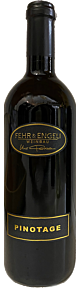 -10%
-10%Fricktal Pinotage
AOC Aargau
Weinbau Fehr&Engeli Switzerland Red wine75cl
• 2022
CHF 18.50 CHF 20.50
Aargau wine region – diversity between the Jura and the Aare
Wines with character from a wine-growing canton steeped in tradition.
Introduction to the Aargau wine region
The canton of Aargau is considered an important wine-growing region in German-speaking Switzerland. With around 386 hectares of vineyards, it is smaller than Switzerland's major wine-growing regions, but the diversity of grape varieties, soils and locations gives the wines a special quality. Aargau plays an important role in Swiss viticulture and contributes significantly to the diversity of Swiss wine culture.
The region combines a long tradition with modern approaches to viticulture, with winegrowing representing an important part of regional agriculture. Even the Romans recognised the potential of the location between the Jura Mountains and the River Aare. Later, it was monasteries such as the Sion Monastery that had a decisive influence on winegrowing in Aargau through their careful cultivation of the vines.
Today, it is primarily dedicated winegrowers who work passionately on the steep vineyard slopes and produce a wide range of wines.
History and cultural heritage
The history of winegrowing in Aargau dates back to Roman times. Even then, numerous terms such as ‘wine’, ‘wine press’ and ‘torkel’ were coined, which have their origins in ancient history and are still used in winegrowing today. Finds of vines and pressing equipment prove that wine was already being cultivated centuries ago.
In the Middle Ages, monasteries promoted viticulture, and later secular rulers and wine-growing villages shaped its development. To this day, places such as Mandach, Wettingen and Aarau are closely linked to wine culture, with the past playing a central role in the current identity and tradition of Aargau viticulture.
Research and innovation
The Research Institute of Organic Agriculture is based in Aargau and contributes to the further development of sustainable methods in viticulture. This is also supported by the Cantonal Office for Viticulture, which acts as a central point of contact for advice and promotion in regional viticulture. The focus is on biodiversity, healthy vines and natural cultivation.
The region thus demonstrates that tradition and innovation can go hand in hand, especially when it comes to sustainable wine production in Aargau.
The canton of Aargau as a wine-growing canton
Aargau has a long tradition as a wine-growing canton. Many municipalities have been cultivating vines for centuries, contributing to the cultural identity of the region, with each municipality playing an important role in promoting the tradition of winegrowing and regional development. Vineyards characterise the landscape around Aarau, Mandach, Würenlingen and Wettingen.
Aargau is therefore not only an economic region, but also a cultural centre of Swiss German wine culture.
Climate, soils and natural conditions
The climate in Aargau is temperate and, with sufficient rainfall and long hours of sunshine, provides a good basis for viticulture. The proximity to rivers such as the Aare has a tempering effect on the temperature and ensures mild nights, with the amount of rainfall having a decisive influence on the quality of the wine.
The soil composition is characterised by great diversity: calcareous Jura limestone soils, moraines, clay and alluvial soil with a high lime content alternate. Debris deposits from the Ice Age and rivers further contribute to the diversity of the soil in Aargau. This geological diversity allows for the cultivation of a wide variety of grape varieties. The calcareous soils in particular contribute to the wines' mineral and fresh character. Marl, an important soil type in the Aargau wine-growing region, also influences the structure and character of the wines.
Vineyards and vineyard area in transition
Although the vineyard area in Aargau is manageable, the trend is clearly towards quality. Smaller vineyard plots are often tended by hand, which gives the wines their individual character.
At the turn of the century, the construction boom in Aargau meant that many vineyards had to make way for new housing developments and urbanisation, resulting in a significant decline in vineyard area.
Winegrowers are increasingly focusing on sustainable viticulture, avoiding herbicides and promoting biodiversity in their vineyards.
Seetal Wildegg wine-growing region
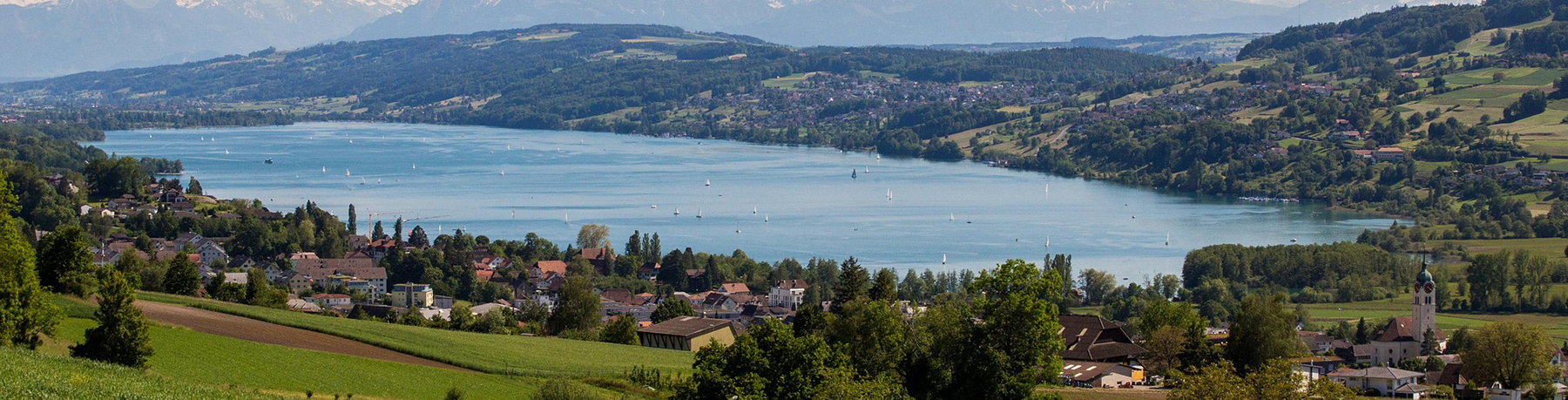
The Seetal and Wildegg regions are among the best-known wine-growing regions in the canton of Aargau and are an important part of the Aargau wine-growing area. Picturesque vineyards characterise the landscape here, with the diversity of white grape varieties in Seetal Wildegg being particularly noteworthy. The combination of sunshine, calcareous soils and the influence of the lakes produces aromatic and fruity wines. Auenstein, with its characteristic vineyards along the Aare, plays an important role in wine production in the region.
The Seetal Wildegg is also rich in history. Castles such as Kastelen Castle bear witness to the long wine tradition that dates back to the Middle Ages. A special location for viticulture is the area around the castle, whose topography and soil conditions have a significant influence on the character of the wines.
Lower Aare Valley – vines between rivers and hills
The Lower Aare Valley offers an ideal combination of proximity to the river, moraine soils and sheltered locations. The vines benefit from the reflective water surfaces of the Aare, which have a positive influence on the microclimate. In terms of wine geography, the Lower Aare Valley is characterised by its unique climatic and geological conditions, which shape the character of the wines.
Both powerful red wines and delicate white wines are produced here, with a particularly pronounced varietal character. The diversity of the varieties reflects the different soils, which range from clay to Jura limestone. A high lime content in the soils gives the wines a special minerality and finesse. Red wine cultivation has a special significance in this region and shapes the profile of the Lower Aare Valley. The nationally renowned vine nursery in Würenlingen plays a central role in the propagation and breeding of vines and is of great importance for wine production in the region. Untersiggenthal is considered an important wine-growing community in the Lower Aare Valley and is known for the quality of its wines. Tegerfelden is the largest wine-growing community in the canton of Aargau in terms of area, is home to the Wine Museum and borders important wine regions. Villigen is known for its important vineyards on the Geissberg, where winegrowers cultivate the southern slopes of the Jura. Klingnau is an important wine-growing village in the Lower Aare Valley with characteristic vineyards and wine varieties. Birmenstorf in the Reuss Valley is an important location for the production of powerful Pinot Noir wines.
Other wine-growing regions in Aargau
In addition to Seetal Wildegg and the Lower Aare Valley, there are other important regions:
- Reuss Valley: known for elegant white wines and careful ageing in the wine cellar. The city vineyards in Bremgarten are particularly noteworthy, as they grow on urban land and shape regional viticulture. Bremgarten is considered an important location for urban vineyards and viticulture in the Reuss Valley. In Muri, the vines grow on Zufikon soil, which influences the character of the wines from this area. Niederrohrdorf is another important wine-growing location in the Reuss Valley. The Goldwand in Ennetbaden is a well-known vineyard location in the region.
- Fricktal: an area with sun-drenched locations that produces both red and white wines. The numerous side valleys characterise the landscape and offer ideal conditions for viticulture. Hottwil is a typical wine village in the Fricktal, known for its wine culture. Zeiningen is one of the most important wine-growing locations in the region. Ueken is located on a popular wine route that runs through the Fricktal. Kaisten is known as an important wine region with specific soil structures and characteristic grape varieties. The Fluh is a striking landscape feature near Sulz and Kaisten. The red wines from the Fricktal are characterised by a medium volume, which ensures balance and harmony. The ratio of white to red wines is balanced and reflects the diversity of the soils and grape varieties.
- Schenkenbergertal: a region steeped in tradition with wine-growing communities that have been cultivating vines for centuries. The Hasenberg is a well-known wine-growing area that is part of the Schenkenbergertal. Wil is mentioned as a geographical location in connection with the region's vineyards. Villnachern is an important wine-growing town around the Schenkenberg Valley and Aarau. The southern slopes of the Jura around the Geissberg are known for their favourable conditions and their importance in regional viticulture. The Römerrebberg in Remigen is a historic vineyard that refers to the Roman past of the wine region.
Each of these regions produces its own style due to its specific conditions.
Compared to Aargau, Valais is the largest and most historically significant wine-growing region in Switzerland and shapes the national wine landscape with its diversity of grape varieties and soil types.
In the Limmat Valley, the Bick in Würenlos is a geographical feature that shapes the landscape and the wine region.
On the Geissberg, the wineries play a central role in the diversity and quality of regional wine production.
Grape variety diversity with a focus on Müller Thurgau
The importance of Müller Thurgau for the region
Müller Thurgau is of central importance to Aargau winegrowing. The variety impresses with its freshness, fine aromas and lively acidity. Its light character makes it a popular everyday wine, while its versatility is particularly appreciated in combination with regional dishes.
Pinot Gris and Sauvignon Blanc are also growing in importance in Aargau. Pinot Gris captivates with its fullness and aromatic complexity, while Sauvignon Blanc impresses with its grassy and exotic notes.
Pinot Noir – the red classic
Pinot Noir is the most important red grape variety in Aargau. In the calcareous Jura soils, it develops elegance and fine tannins. The wines are balanced, fruity and sometimes suitable for ageing.
Pinot Noir is often produced in different styles: from light, fresh red wines to strong, mature varieties. As Blauburgunder, it is deeply rooted in the regional wine culture.
Wines and regional specialities
Aargau wines are closely linked to the regional cuisine. They unfold their full effect in combination with traditional dishes:
- Pinot Noir goes well with game, beef or lamb.
- Müller Thurgau harmonises with cheese dishes, vegetable casseroles or light fish dishes.
- Sauvignon Blanc accompanies fresh summer salads, goat's cheese or Asian-inspired dishes.
- Pinot Gris is the ideal partner for hearty meat dishes or spicy cheeses.
The diversity of grape varieties means that there is an Aargau wine to suit almost every dish.
Frequently asked questions (FAQ) about the Aargau wine-growing region
Which grape varieties are particularly common in Aargau?
Pinot Noir, Blauburgunder and Müller Thurgau dominate the Aargau wine-growing region. They are complemented by varieties such as Sauvignon Blanc, Pinot Gris and other white wines.
Which wine-growing regions belong to the canton of Aargau?
The most important regions include Seetal/Wildegg, Unteres Aaretal, Reusstal, Fricktal and Schenkenbergertal. Each region produces individual wines thanks to its soils and microclimate.
Which dishes go well with Aargau wines?
Pinot Noir goes well with game or beef, while Müller Thurgau and Chasselas are ideal partners for cheese dishes, fish or light vegetable dishes. Sauvignon Blanc and Pinot Gris go well with poultry or Asian-inspired dishes.
What makes the Aargau wine region unique?
The diversity of the soils – from Jura limestone to moraines – and the location on rivers such as the Aare create ideal conditions for wines full of character. Added to this are a long tradition and the passion of the winegrowers.