
Chianti wine – the heart, history and flavour of Tuscany
Introduction to Chianti wine
Chianti wine is much more than a famous Italian red wine – it is a symbol of the soul of Tuscany and embodies centuries of culture, craftsmanship and passion. Its characteristic aroma, ruby red colour and elegant taste reflect the landscape in which it is produced: rolling hills, avenues of cypress trees, medieval villages and a long tradition of winegrowing.
The Chianti region stretches between Florence and Siena, two cities that, like no others, characterise the heart of Italy's wine region. Here, in the centre of Italy, historic wine culture meets modern oenology. The region comprises numerous sub-regions, including the famous Chianti Classico, Colli Fiorentini, Chianti Rufina, Chianti Montalbano, Colline Pisane, Colli Senesi and the area around Val di Pesa. The total vineyard area of the Chianti region is one of the largest in Tuscany and plays a decisive role in the high quality and diversity of the wines produced there.
Each of these areas produces wines with their own individual character – influenced by soils, altitudes, microclimates and grape varieties, which together create a unique diversity. For centuries, the sale and marketing of Chianti wine has been an important part of the regional economy and has contributed significantly to Tuscany's international reputation as a wine region.
History of Chianti – from the Middle Ages to DOCG
The history of Chianti wine dates back to the 13th century. The first records of viticulture in the region date from the time when the noble families of Florence and Siena vied for control of the fertile area. By the 14th century, Chianti was already highly regarded throughout Italy.
In 1716, Grand Duke Cosimo III de' Medici officially defined the boundaries of the Chianti region for the first time – a revolutionary step that made Chianti one of the oldest legally protected wine-growing areas in Europe. The Grand Duke's decision underlines the historical and political significance of the region.
In the 20th century, quality was further consolidated with the introduction of the DOCG classification (Denominazione di Origine Controllata e Garantita). Today, genuine Chianti bears the seal with the black silhouette of a rooster – the Gallo Nero – which identifies Chianti Classico as the authentic heart of the wine region. The Gallo Nero seal is considered an established brand and mark of quality that highlights the origin and special status of Chianti Classico.
The Chianti region – geography, climate and landscape
The Chianti region is one of the most beautiful wine-growing areas in Italy in terms of landscape. It is located in the heart of Tuscany, in the geographical centre of the region, between the provinces of Florence, Siena, Arezzo and Pisa. The central location of the Chianti region in the middle of Tuscany has a significant influence on the Mediterranean climate and contributes to the special quality of the wines. The region is characterised by a gentle hilly landscape, whose ridges are covered with vineyards, olive groves and old stone villages.
The climate is typically Mediterranean, with warm summers, mild winters and cool nights. These temperature differences promote the ripening of Sangiovese grapes – the main grape variety in Chianti wine. The soils consist mainly of limestone, clay and slate, which give the wine its typical structure and fine minerality.
The vineyards are often located between 250 and 600 metres above sea level, allowing the grapes to ripen slowly and evenly. This combination of altitude and climate produces wines that combine freshness, fruitiness and elegance in ideal balance.
The geography of beauty – Florence, Siena and the hills of Chianti
The Chianti region is nestled between the cities of Florence in the north and Siena in the south. The region is a mosaic of vineyards, cypress trees, olive groves and medieval villages perched on the hills. Numerous hiking trails and routes lead through the Chianti countryside, inviting visitors to actively explore nature and the surrounding area.
The hilly landscape is not only spectacular, but also plays a crucial role in wine production. The stony soils and high altitudes give the wines freshness and depth, while the sun-drenched days allow the grapes to ripen perfectly. The villages are characterised by medieval walls and landmarks that showcase their historical heritage. Historic villas, magnificent mansions and lively piazzas serve as cultural centres for the region. Characteristic bell towers and the unmistakable charm of the region shape the landscape. The construction of impressive historic buildings and places such as the picturesque Montefiridolfi underline the cultural diversity. Parks, well-tended gardens, old monasteries, interesting museums and numerous works of art are among the cultural highlights of Chianti. Exploring the towns and villages on foot is a special experience that allows you to intensely experience the atmosphere and beauty of the region.
Walking through villages such as Castellina, Radda or Gaiole, you can feel the history that lies in every stone, every wall and every vineyard.
Production and viticulture in Chianti
The production of Chianti wine follows strict DOCG rules, which prescribe minimum proportions of Sangiovese, maximum yields per hectare and ripening times.
The conditions for viticulture vary – from small wineries with organic cultivation to large estates with modern technology. Many producers rely on sustainable methods to protect the soil, water and biodiversity. Traditional viticulture plays a central role in this and has had a significant impact on the development of the Chianti region and the cultural identity of rural communities.
The vineyards are ideally located, often on steep hills where the sun shines on the vines all day long. Every bottle of Chianti tells a story of soil, climate and human passion.
The taste of Chianti – typically Tuscan
A good Chianti wine is harmonious, balanced and has a distinctive personality. The nose reveals red fruits, cherries, violets, herbs and a hint of earth. On the palate, it impresses with lively acidity, fine tannins and a long, elegant finish.
The red wines vary in intensity – from young, fresh Chianti with fruity notes to mature Gran Selezione, which displays depth and structure. What they all have in common is their Tuscan heart: a wine that makes the landscape tasteable.
Grape varieties and character of Chianti wine
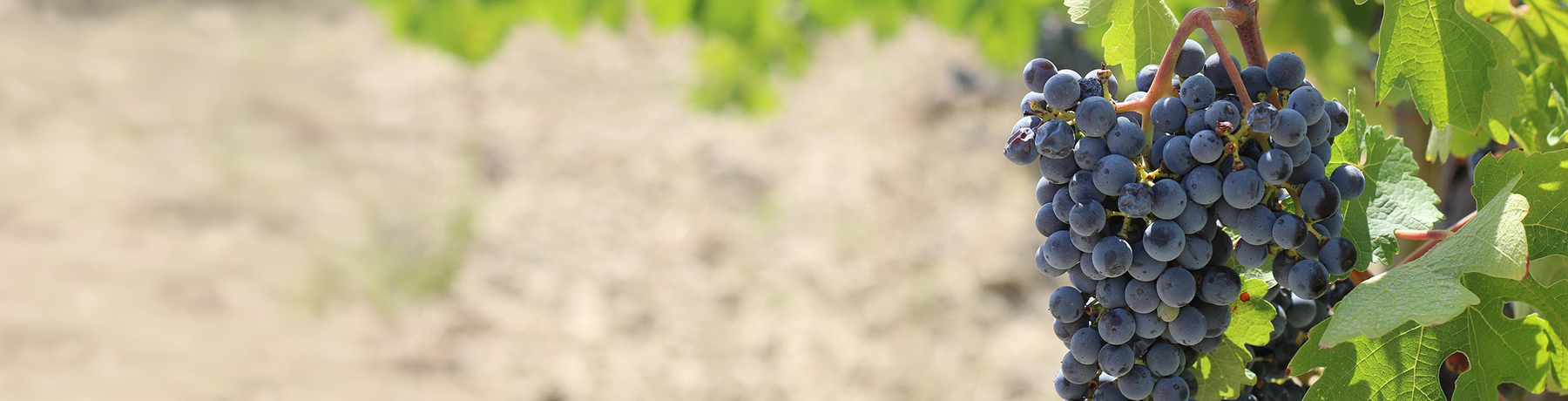
Sangiovese is the heart of Chianti wine. This indigenous grape variety shapes the character of the region and provides structure, freshness and an unmistakable aroma of cherries, violets and spices.
In addition to Sangiovese, small proportions of other varieties are often permitted, such as Canaiolo, Colorino, Cabernet Sauvignon, Merlot or Malvasia Nera. Legal requirements stipulate a minimum proportion of Sangiovese, while the proportion of other grape varieties is limited in order to preserve the typical style of Chianti. These additions give the wines depth, roundness or soft tannins without masking the Tuscan core.
Depending on the method, maturation time and storage, wines of different styles are produced – from fruity everyday wines to complex Gran Selezione, which develops its elegance after at least 30 months of maturation. In contrast to these high-quality wines is table wine, which is considered a simpler and less sophisticated style of wine and is usually produced for the mass market.
Chianti Classico – The heart of the region
Chianti Classico is considered the origin and soul of the entire Chianti wine region. Its territory lies between Florence and Siena and includes some of the most famous Tuscan vineyards.
Chianti Classico wines are made from at least 80 per cent Sangiovese, often supplemented with Merlot or Cabernet Sauvignon. They are known for their bright ruby red colour, the scent of cherries, dried herbs and fine spices, and their lively, elegant structure.
Chianti Classico is divided into three quality levels:
- Annata (classic vintage) – fresh, fruity and youthful.
- Riserva – aged for at least two years, more complex and spicy.
- Gran Selezione – made from the best grapes of a single vineyard, powerful, deep and long-lasting.
Chianti Classico DOCG stands for the highest quality and symbolises the combination of tradition and modern winemaking.
Sub-regions and diversity – from Chianti Rufina to Colline Pisane
The great strength of the Chianti region lies in its diversity. In addition to the Classico, there are seven other sub-regions, each with its own microclimatic conditions:
- Chianti Rufina: northeast of Florence, known for elegant, structured wines with a long shelf life.
- Colli Fiorentini: around Florence, produces harmonious, accessible wines with a fine bouquet.
- Colli Senesi: in the south near Siena, characterised by fruity and spicy aromas.
- Colline Pisane: in the west towards Pisa, gentle and Mediterranean in expression.
- Chianti Montalbano: near Prato and Pistoia, with a traditional character and soft texture.
- Val di Pesa: around the river of the same name, offers expressive, mineral wines.
- Chianti Montespertoli: the smallest subzone, known for balanced, easy-drinking wines.
The neighbouring wine region of Montepulciano also contributes significantly to the regional diversity and high quality standards of Tuscan wines with its high-quality wines.
Each of these areas contributes to the enormous diversity of the Chianti world – a diversity that delights connoisseurs and newcomers alike.
Vin Santo – Tuscan sweetness with history
Alongside red wine, Vin Santo is another important product of Tuscany. This amber-coloured dessert wine is made from dried Trebbiano and Malvasia grapes and matures for years in small wooden barrels.
The traditional method involves drying the grapes on straw mats or trellises before pressing and fermenting them. This produces an intense, honey-like wine with aromas of dried fruit, nuts and caramel.
Vin Santo is a perfect accompaniment to cantuccini – the famous Tuscan almond biscuits – and is often enjoyed at the end of a festive meal.
Wine and food – Tuscan culinary harmony
Chianti wine is inextricably linked to Tuscan cuisine. The rustic simplicity of the dishes, especially Florentine specialities, perfectly complements the structure and acidity of Sangiovese.
A classic accompaniment is Bistecca alla Fiorentina, the famous T-bone steak grilled over an open fire. Pici al Ragù, hand-rolled pasta with a rich meat sauce, also harmonises wonderfully with a full-bodied Chianti Classico Riserva.
A full-bodied Gran Selezione goes well with game dishes such as venison or wild boar, while grilled vegetables, crostini with liver pâté or Pecorino cheese are ideal with a young Chianti Colli Senesi.
A Vin Santo is the perfect end to a meal – with cantuccini, figs, blue cheese or even a chestnut cream.
Tuscan cuisine and Chianti wine are a harmonious pairing – earthy, elegant and deeply authentic. The diversity of wines from the region enriches every meal and underlines the importance of wine as an integral part of Tuscan food culture.
Culture, villages and lifestyle
The Chianti region is not only a place of wine production, but also a cultural centre. Different parts of the Chianti region, such as the historic villages, culinary districts and the Parco Botanico del Chianti, each offer their own cultural specialities. Ancient castles, Romanesque churches and medieval villages such as Radda, Greve and Castellina tell the story of centuries of history.
The Chianti Trail, a famous wine route, leads through the most beautiful places in the region and connects wineries, small trattorias and arts and crafts. Visitors can experience the Tuscan way of life there – peaceful, enjoyable and deeply rooted in nature. The success of the Chianti region as a wine and cultural landscape is reflected in its international recognition and the sustainable development of viticulture and tourism.
Many wineries open their doors to visitors and offer not only wine tastings but also exclusive souvenirs such as olive oil, handmade ceramics or local delicacies. A detour to famous attractions such as the Castello di Brolio or the Badia a Passignano is worthwhile not only because of the impressive buildings but also because of the opportunity to take home special souvenirs.
Frequently asked questions (FAQ) about Chianti wine
Is Chianti dry or sweet?
Classic Chianti is a dry red wine. Its natural acidity and structure make it lively and fresh, never sweet.
What is special about Chianti wine?
Its origin, the Sangiovese grape variety and centuries-old tradition. It combines elegance, fruit and spice in a unique expression of Tuscany.
What does Chianti wine taste like?
It has aromas of cherries, plums, herbs and spices. On the palate, it is dry, harmonious, with fine tannins and fresh acidity.
How should Chianti be drunk?
Best served slightly chilled at 16–18 degrees Celsius in a bulbous glass. Young wines go well with pasta and pizza, while mature Chianti pairs well with meat and cheese.
Where is Chianti at its most beautiful?
Between Florence and Siena, especially along the Chianti Classico Route, where vineyards, hills and villages form a unique panorama.
Where is the Chianti region?
In the heart of Tuscany, between the provinces of Florence, Siena, Arezzo and Pisa – the classic centre of Italian viticulture. The municipal area forms the geographical framework of the Chianti region.
Which wine route crosses the Chianti region?
The Chianti Way (Via Chiantigiana SR 222) leads from Florence to Siena through the picturesque Chianti region and is considered one of the most beautiful wine routes in Italy.
Is Chianti from Tuscany?
Yes. Chianti wine comes exclusively from Tuscany and is inextricably linked to its culture, landscape and history.