
Chenin Blanc – one of the most versatile white wine varieties in the world
Chenin Blanc is one of the most traditional and, at the same time, most versatile white wine varieties. The Chenin Blanc grape variety combines origin, diversity and depth in a special way and shows how different white wines can be depending on the region, climate and use. Chenin Blanc wines range from lean and mineral to lush, complex and ageable. This range makes the Chenin character particularly interesting for many wine lovers.
As a wine, Chenin Blanc stands for precision, acidity and aromatic richness. The nose often reveals aromas of apple, pear, pineapple or honey, while the palate is characterised by freshness and length. Despite its long history, the grape variety seems surprisingly modern and is now gaining worldwide attention.
The Chenin Blanc grape variety and its historical origins
The Chenin Blanc grape variety originates in France, more precisely in the Loire Valley. It was already cultivated there in the Middle Ages and mentioned under various names. Pineau de la Loire and Plant d'Anjou are historical names that are still associated with the Anjou and Touraine regions today. Chenin is also mentioned in literary works such as Gargantua and Pantagruel, which underlines its cultural significance.
DNA analyses show that Chenin Blanc is genetically related to Sauvignon Blanc and other ancient varieties. This ancestry partly explains its distinctive acidity and aromatic clarity. The grape variety developed over centuries and was specifically selected, which has had a significant influence on its current quality.
Chenin Blanc wines in the Loire Valley: Anjou and Touraine
In the Loire Valley, Chenin Blanc characterises entire wine regions. Anjou and Touraine are considered classic areas where Chenin Blanc wines particularly clearly show their origin. The vineyards along the valley benefit from cool nights, calcareous soils and a temperate climate. These conditions promote freshness and longevity.
Depending on the location of the vineyards, different types of wine are produced. Dry white wines, delicately fruity varieties with residual sugar and sparkling wines are all part of the spectrum. Acidity always forms the backbone and gives the wine structure and elegance.
Distribution of Chenin Blanc outside France
Apart from France, South Africa is now one of the most important countries for Chenin Blanc. There, the grape variety is known as Steen and occupies a large part of the vineyard area. The warmer climate produces wines with more body and ripe fruit, without losing the typical acidity.
Chenin Blanc is also widespread in South America, California, Australia, New Zealand and, to a lesser extent, Switzerland and Austria. In regions such as Languedoc Roussillon, the variety is often blended with other whites or vinified as a single varietal wine. This global presence demonstrates the adaptability of the vine.
Ampelographic characteristics of the vine
The Chenin Blanc grape variety is also easily recognisable on the vine. The shoot tip is open, light green and hairy, often with a reddish tinge. The young leaves are finely hairy, while the mature leaves are usually round and five-lobed. The petiole sinus is often lyre-shaped.
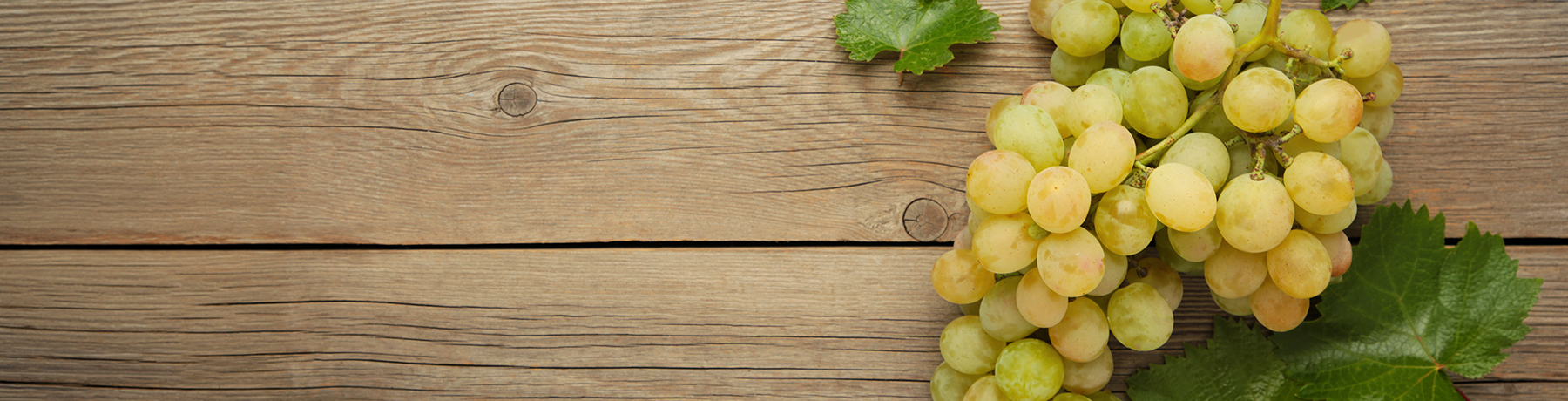
The grapes are medium-sized, densely packed and golden yellow, with a relatively thin skin. These characteristics make Chenin susceptible to botrytis, which in turn favours its use for sweeter types of wine. The berries produce an aromatically concentrated must with distinctive acidity.
Wine types and stylistic range
Hardly any other white wine variety offers a comparable range. Chenin Blanc wines can be dry, semi-dry, noble sweet or sparkling. Sparkling wine made from Chenin Blanc impresses with its fine perlage and freshness. Sweet wines display notes of honey, dried fruit and exotic pineapple.
Dry varieties are mineral, taut and precise. Depending on the vinification, they develop creamy textures and depth. The alcohol content varies significantly, but usually remains well integrated. This diversity makes Chenin Blanc attractive to a wide range of preferences.
Chenin Blanc compared to other grape varieties
Compared to Chardonnay, Chenin Blanc often has more acidity and less opulence. Compared to Sauvignon Blanc, it is broader and more structured. Its unique character also comes through when blended with Viognier, Colombard or Sémillon.
Chenin's character combines freshness and richness without being overly aromatic. It is precisely this balance that is appreciated by winemakers who want to produce terroir-driven white wines. The grape variety allows for interpretation without losing its identity.
Aging, vintage and quality
Aging has a strong influence on Chenin Blanc wines. Steel tanks emphasise freshness and fruit, while oak barrel ageing promotes structure and depth. The vintage also plays an important role, as Chenin is sensitive to weather conditions.
Quality is achieved through precise work in the vineyard and in the cellar. The right time of harvest determines the acidity, alcohol content and aroma. Chenin Blanc wines often receive good ratings for their ageing potential and development over the years.
Chenin Blanc and food: versatile combinations
Chenin Blanc is an extremely versatile accompaniment to food. Dry varieties go well with fish, seafood and oysters. The acidity supports fresh dishes and highlights delicate aromas. The wine shows its structured side with poultry with herbs or veal in a light sauce.
Semi-dry Chenin Blanc wines harmonise with Asian dishes, curries or slightly spicy dishes. Sweeter varieties accompany blue cheese, fruit desserts or apple pie. Chenin Blanc also impresses with its balance when paired with vegetarian dishes featuring oven-roasted vegetables or legumes.
Role of Chenin Blanc in the modern wine range
Chenin Blanc occupies a special place in today's range of white wines. It appeals to consumers who are looking for variety and depth. As a grape variety, it is suitable for both beginners and experienced wine lovers.
Due to its prevalence in various regions and countries, Chenin Blanc offers both orientation and variety. The bottle thus becomes an expression of origin and style without being obtrusive.
Chenin Blanc wines between tradition and modernity
Traditional growing regions such as the Loire preserve classic styles, while new regions offer modern interpretations. This tension between origin and innovation makes Chenin Blanc wines particularly exciting.
Today, winemakers deliberately use different ageing methods to highlight the character of the grape. Despite modern technology, the grape variety remains true to its origins and shows its strengths in the interplay of acidity, fruit and texture.
Frequently asked questions (FAQ) about Chenin Blanc
How does Chenin Blanc taste?
Depending on the style, Chenin Blanc tastes dry to sweet, often with lively acidity. Typical notes are apple, pear, pineapple, honey and floral aromas, with freshness on the palate.
What are some synonyms for Chenin Blanc?
Synonyms for Chenin Blanc include Pineau de la Loire, Plant d'Anjou and, in South Africa, the name Steen.
What goes well with Chenin Blanc?
Chenin Blanc goes well with fish, seafood, poultry, Asian dishes, cheese and fruit-based desserts. Its versatility makes it a flexible accompaniment to food.
What is Chenin Blanc in German?
Chenin Blanc is the internationally used name for the grape variety and is not translated into German. It refers to white wines made from this variety.