
-
 Score
18
Score
18
Sauvignon Blanc Aagne
AOC Schaffhausen
Aagne Familie Gysel Switzerland White wine75cl
• 2025
CHF 20.50 -
Riesling-Silvaner Aagne
AOC Schaffhausen
Aagne Familie Gysel Switzerland White wine75cl
• 2025
CHF 16.20 -
Pinot Noir Spätlese
AOC Schaffhausen
Aagne Familie Gysel Switzerland Red wine75cl
• 2023
CHF 20.50 -
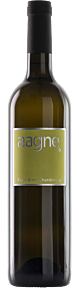
Pinot Blanc Chardonnay
AOC Schaffhausen
Aagne Familie Gysel Switzerland White wine75cl
• 2025
CHF 19.50 -
 Score
18
Score
18
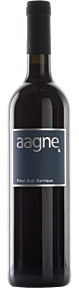
Pinot Noir Barrique
AOC Schaffhausen
Aagne Familie Gysel Switzerland Red wine75cl
• 2023
CHF 25.00
Schaffhausen wine-growing region
A unique piece of wine culture in German-speaking Switzerland
Introduction to the Schaffhausen Pinot Noir region
The term ‘Schaffhausen Pinot Noir region’ is closely associated with the Schaffhausen wine-growing region. It refers to the scenic wine region that stretches from Hallau via Wilchingen to Osterfingen. Pinot Noir has been cultivated here for centuries and is considered the queen of vines.
The hillsides of the Klettgau region, with their calcareous and loamy soils, create ideal conditions for this demanding grape variety. The interplay of soil, climate and the careful work of the winegrowers results in red wines that combine elegance, depth and fruitiness.
The Schaffhausen wine-growing region is considered the heart of the so-called Schaffhausen Pinot Noir country and is one of the most famous wine regions in German-speaking Switzerland. With a vineyard area of around 480 hectares, viticulture plays a central role in the canton of Schaffhausen and shapes both the landscape and the regional culture. Characterised by a mild climate, calcareous soils and a long tradition of viticulture, the region is best known for its distinctive red wines.
The canton of Schaffhausen and its special features
The canton of Schaffhausen is located in the far north-east of Switzerland and borders directly on Germany. This location has a significant influence on the climate and landscape. While the Rhine and Biber rivers characterise the region with their watercourses, the hills in Klettgau, Reiat and the area around Schaffhausen provide varied vineyard landscapes.
A decisive factor for viticulture in the canton of Schaffhausen is the so-called rain shadow effect. The Alps and the Black Forest block some of the precipitation, creating a mild and rather dry climate. At the same time, the vines benefit from many hours of sunshine, which allows the grapes to ripen slowly and harmoniously.
History of viticulture in Schaffhausen
Viticulture in the region has a long tradition dating back to Roman times. Finds prove that vines were already being cultivated in the Schaffhausen region at that time. Later, it was monasteries such as the Allerheiligen monastery in Schaffhausen that cultivated and developed viticulture.
In the Middle Ages, wine was an important commodity and helped to secure the economic basis of the region. In the 19th century, the phylloxera crisis also posed major challenges for Schaffhausen, but thanks to dedicated winegrowers, viticulture was able to recover. Today, the Schaffhausen wine-growing region presents itself as a modern region that successfully combines tradition and innovation.
Viticulture and sustainability in the Schaffhausen wine region
More and more winegrowers in the canton of Schaffhausen are turning to environmentally conscious methods. Biodiversity, avoiding herbicides and promoting beneficial insects are standard practice in many places. These sustainable approaches ensure the long-term quality of the soil and the health of the vines.
The combination of tradition and innovation is also evident here: modern technology complements traditional craftsmanship and ensures wine production that is in harmony with nature and the landscape.
Municipalities and wine-growing communities
The Schaffhausen wine region has strong ties to its municipalities. Hallau is considered the largest wine-growing community in German-speaking Switzerland and is a symbol of the deep roots of viticulture in the local culture. Wilchingen and Osterfingen form another important centre, while Löhningen, Buchberg, Rüdlingen and Reiat are home to smaller but no less traditional vineyards.
Each of these communities contributes to the diversity of the wines with its own locations, soils and microclimates. Together, they form a mosaic of characters that make up the identity of the Schaffhausen Pinot Noir region.
Grape varieties in the Schaffhausen wine-growing region
Pinot Noir is undoubtedly the most prominent variety. Around two-thirds of the vineyards are planted with this variety, which enjoys great international recognition. The wines made from this grape range from light, fruity reds to powerful, age-worthy wines.
White wines such as Riesling Silvaner, Pinot Gris and Chardonnay also play an important role. Specialities such as Merlot, Pinot Blanc and Gamaret are also increasingly finding their place in the vineyards. This diversity makes the Schaffhausen wine region particularly exciting, as it produces not only classic red wines but also elegant white wines.
Landscape and nature
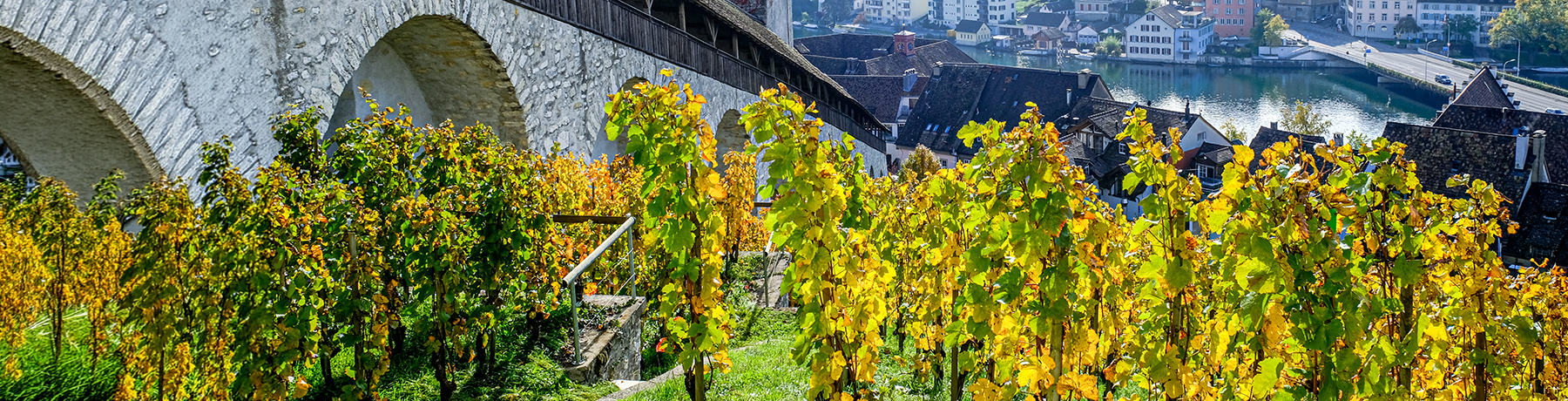
The vineyards of Schaffhausen characterise the hilly landscapes of Klettgau and Reiats. Gentle slopes alternate with striking vineyards, which are often terraced. These landscapes are not only economically important, but also a valuable habitat for plants and animals.
The proximity to nature and working in harmony with the seasons shape the character of the wines as well as the image of the region. Walks through the vineyards, combined with views of rivers, forests and historic villages, are among the most impressive experiences in the Schaffhausen region.
Soils and climate
The soils in the canton of Schaffhausen are predominantly limestone and loam, which gives the wines structure and minerality. In some locations, there are also clayey or sandy soils, which provide different characteristics.
The climate is considered mild with sufficient warmth during the summer months and cool nights, which contribute to the development of aromas. The rain shadow effect reduces precipitation and ensures stable conditions throughout the year. This combination of climate and soil creates the best conditions for high-quality grapes.
Wine and food
The wines from the Schaffhausen Pinot Noir region really come into their own when paired with food. Pinot Noir, which plays the leading role as Blauburgunder, goes perfectly with game dishes, pot roasts or mature cheeses. Its fine structure and fruitiness also harmonise well with regional specialities such as roast beef or lamb.
Riesling Silvaner, with its fresh acidity, is an ideal accompaniment to fish dishes from the Rhine or light vegetable variations. Chardonnay from the Schaffhausen vineyards goes well with poultry or creamy sauces. Pinot Gris is a convincing choice in combination with spicy cheese dishes or mushroom risotto.
Rosé wines made from Pinot Noir grapes are also popular. They are perfect with summer salads, barbecues or Mediterranean dishes. The Schaffhausen wine-growing region offers a culinary diversity that ranges from everyday meals to festive menus.
Frequently asked questions (FAQ) about the Schaffhausen wine-growing region
Which grape variety dominates in the Schaffhausen wine-growing region?
The most important grape variety is Pinot Noir. Around two thirds of the vineyard area is planted with this variety.
Which municipalities are particularly well known for winegrowing in the canton of Schaffhausen?
Hallau is considered the centre, with Wilchingen, Osterfingen, Buchberg, Rüdlingen and Löhningen also playing an important role.
What types of wine are produced in Schaffhausen?
The focus is on red wines made from Pinot Noir grapes. These are complemented by white wines such as Riesling Silvaner, Pinot Gris and Chardonnay, as well as specialities such as Merlot.
Why is the region called Schaffhauser Blauburgunderland?
The name refers to the dominance of Pinot Noir in the vineyards. This grape variety has shaped the identity of the region for centuries.